

Artisanal vs. Ancestral Mezcal: What the Difference Means in Every Bottle of Tileño
Artisanal vs. ancestral mezcal isn't just a question of taste. It's a window into two distinct worlds of craftsmanship. Both are rooted in centuries-old Mexican tradition, yet they follow different paths from agave to bottle.
Tileño is a Mezcal Artesanal, made by maestro mezcalero José Ángeles Elías at his family's palenque in San Martín Tilcajete, a Zapotec village in the Central Valleys of Oaxaca. Tileño is the name for the people of San Martín Tilcajete, and every bottle carries that community's name. Understanding what "artisanal" means, and how it differs from "ancestral," helps you appreciate not just the flavor in your glass but the people and process behind it.
Artisanal vs. ancestral mezcal isn't just a question of taste. It's a window into two distinct worlds of craftsmanship. Both are rooted in centuries-old Mexican tradition, yet they follow different paths from agave to bottle.
Tileño is a Mezcal Artesanal, made by maestro mezcalero José Ángeles Elías at his family's palenque in San Martín Tilcajete, a Zapotec village in the Central Valleys of Oaxaca. Tileño is the name for the people of San Martín Tilcajete, and every bottle carries that community's name. Understanding what "artisanal" means, and how it differs from "ancestral," helps you appreciate not just the flavor in your glass but the people and process behind it.
What is artisanal mezcal?
Artisanal mezcal is produced with traditional methods adapted for small-scale consistency. Under Mexico's official mezcal standard, NOM-070, Mezcal Artesanal allows a stone tahona for crushing and copper alembic stills for distillation, while keeping the agave roasted in earthen pits and fermented naturally.
It's the style most drinkers encounter, and it's the style Tileño has made since 2014. When people compare artisanal and ancestral mezcal, they're often tasting the effect of materials, copper versus clay, and how each step concentrates aroma, texture, and smoke.
The legal standard
To be labeled artisanal, mezcal must be roasted in earthen pits or masonry ovens, fermented in natural vessels such as wood or stone, and distilled in copper or clay pot stills over direct fire. Industrial column stills and diffusers are not allowed. A trustworthy label tells you the agave species, the region, and the maestro mezcalero, so you can trace exactly where your mezcal came from and who made it. Tileño's labels do all three.
How Tileño is made
At the palenque in San Martín Tilcajete, every batch follows the same four steps:
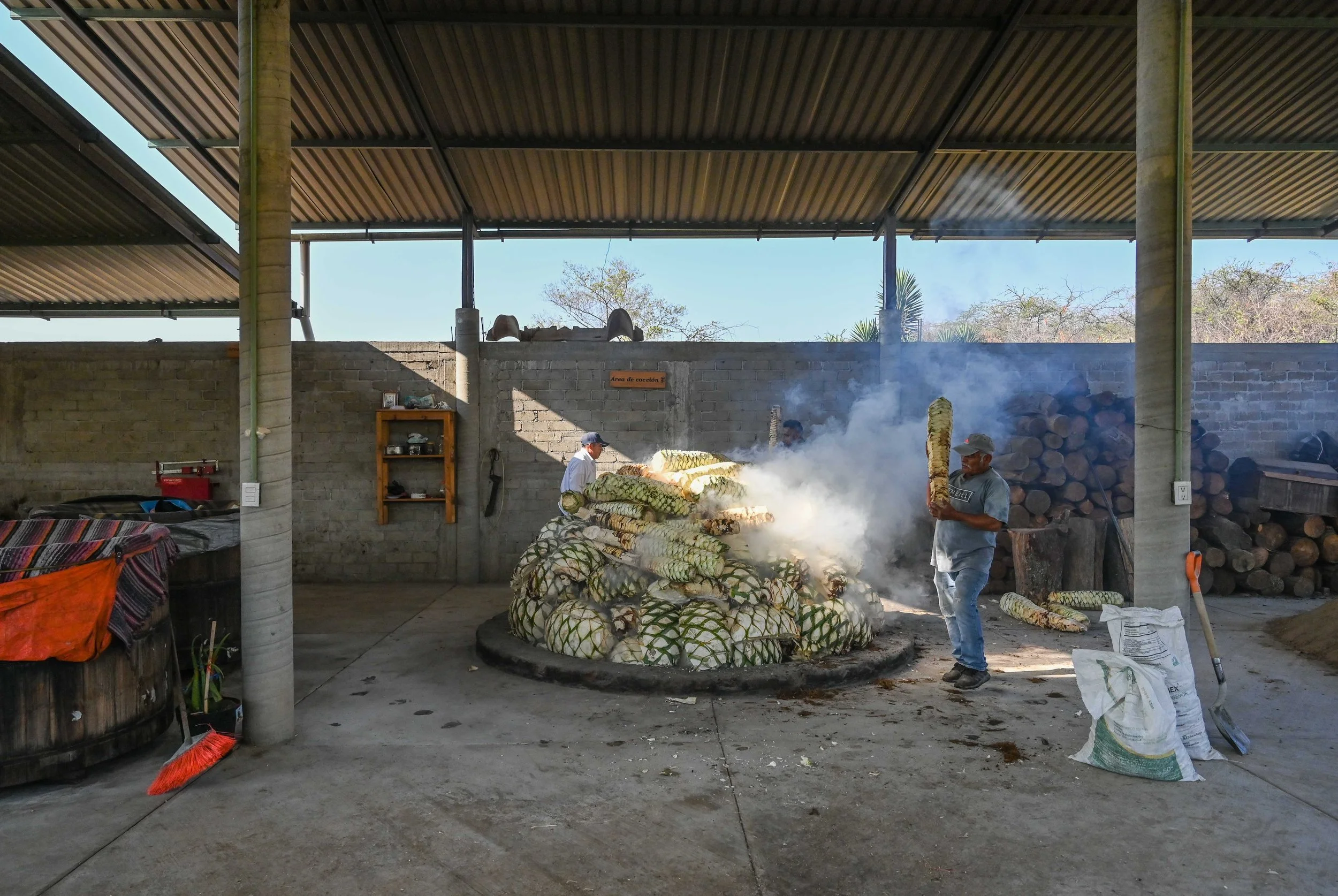
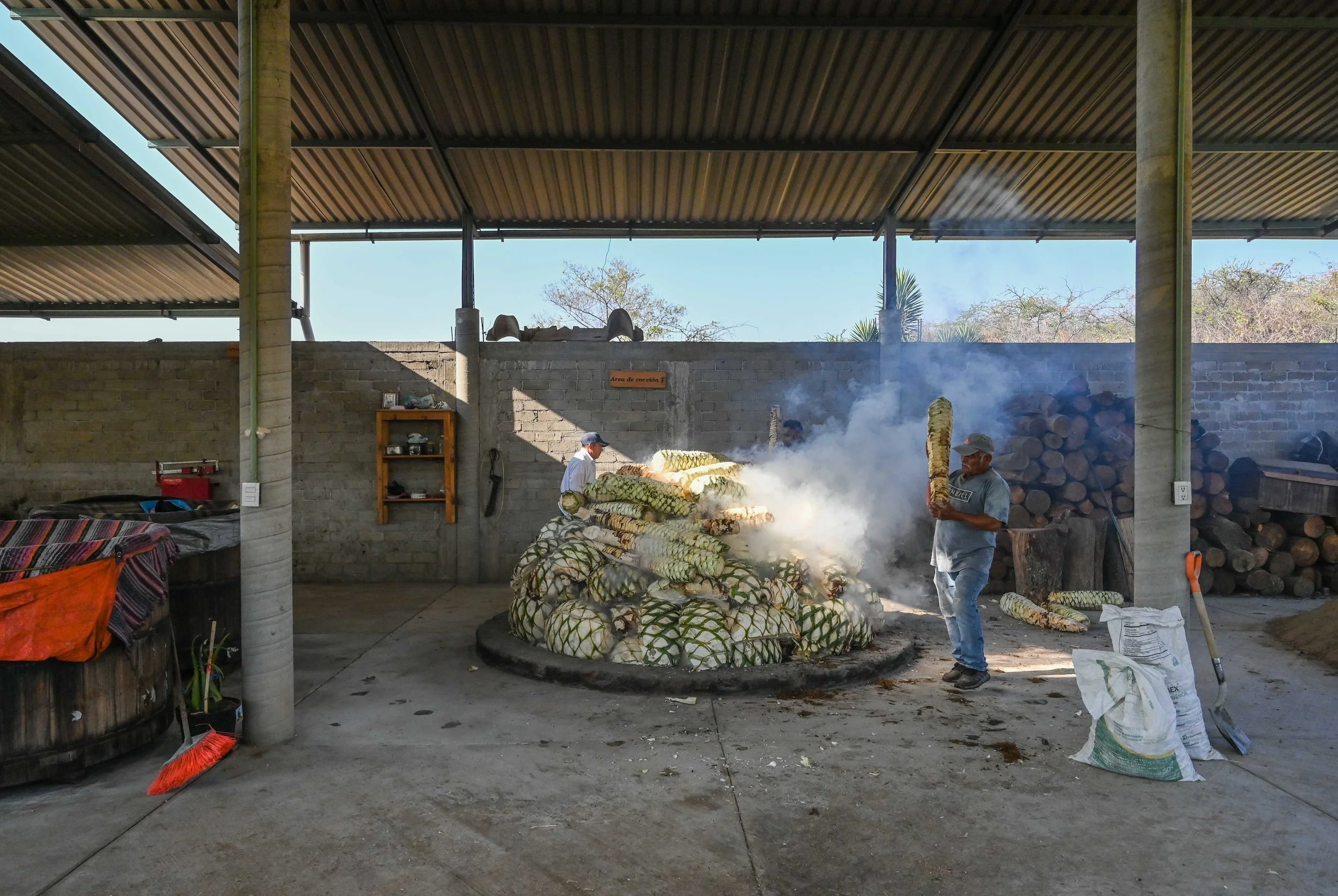
Roast. Agave piñas are cooked in an earthen pit oven, where hot stones and wood fire caramelize the sugars and lay down a gentle base of smoke.
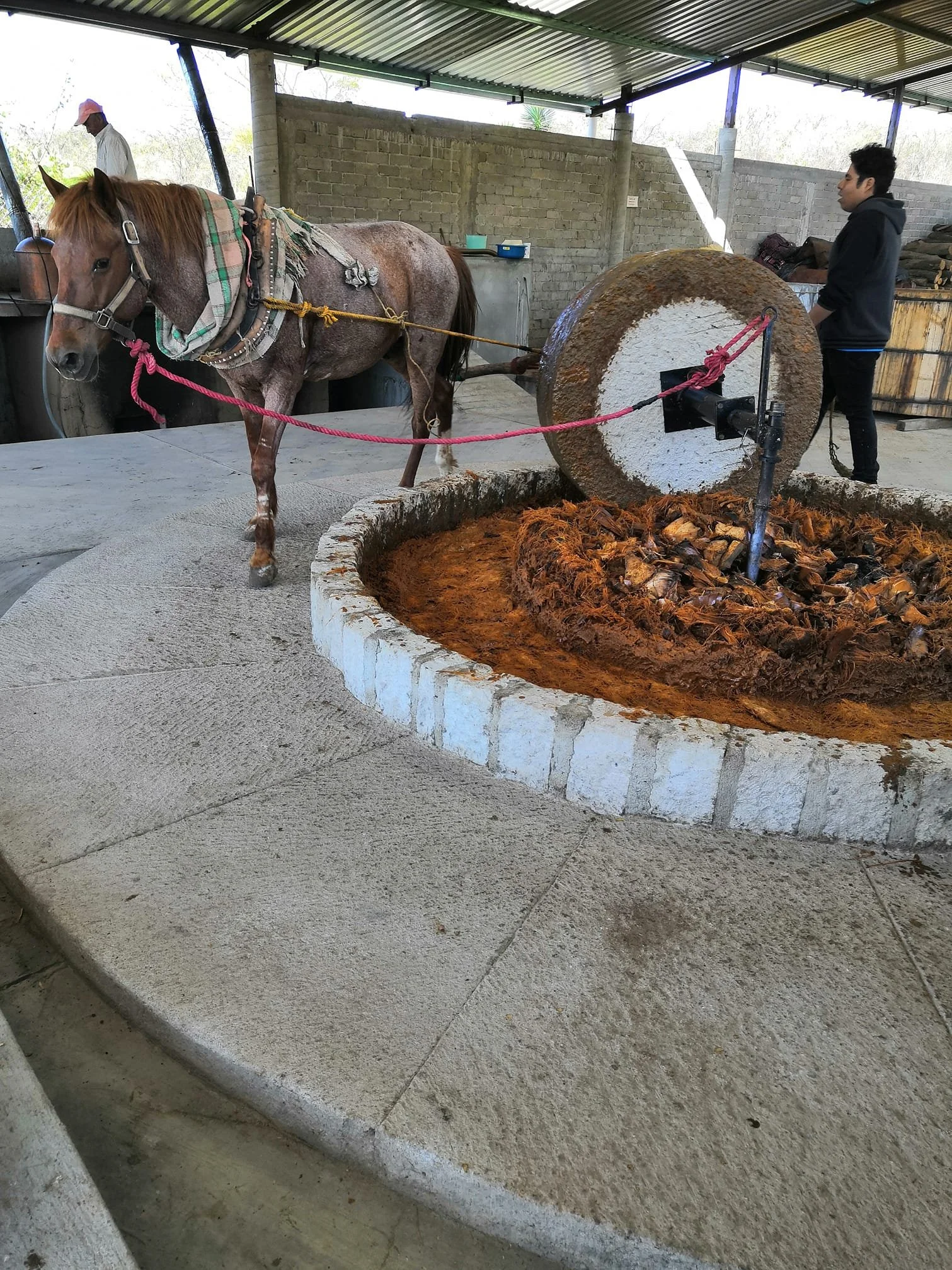
Crush. The roasted agave is milled under a stone tahona, a heavy wheel that breaks down the fibers and releases the juice evenly.
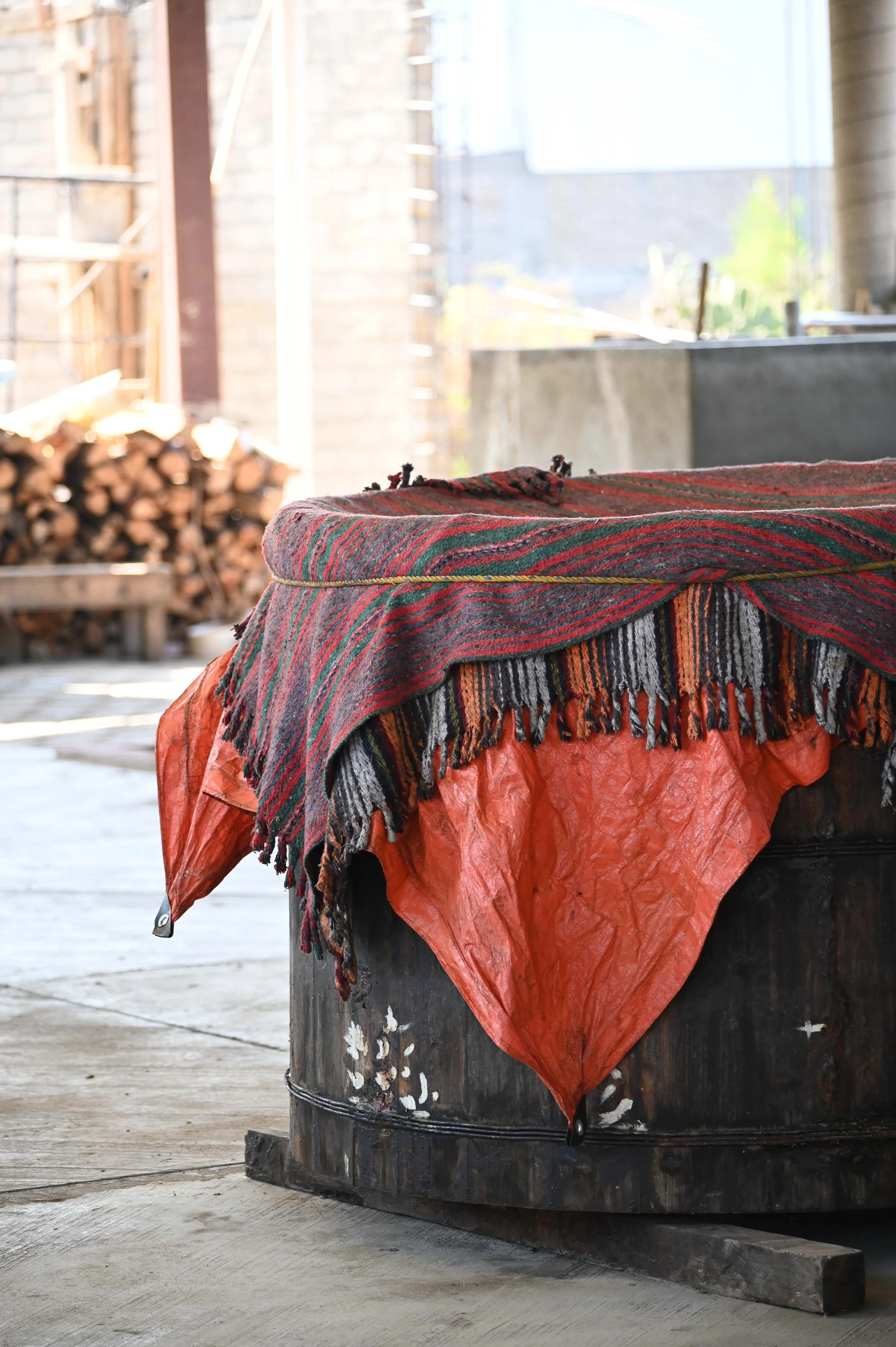
Ferment. Juice and fibers ferment in open wooden vats using only the wild yeasts present in the air and the wood. No commercial yeast is added.
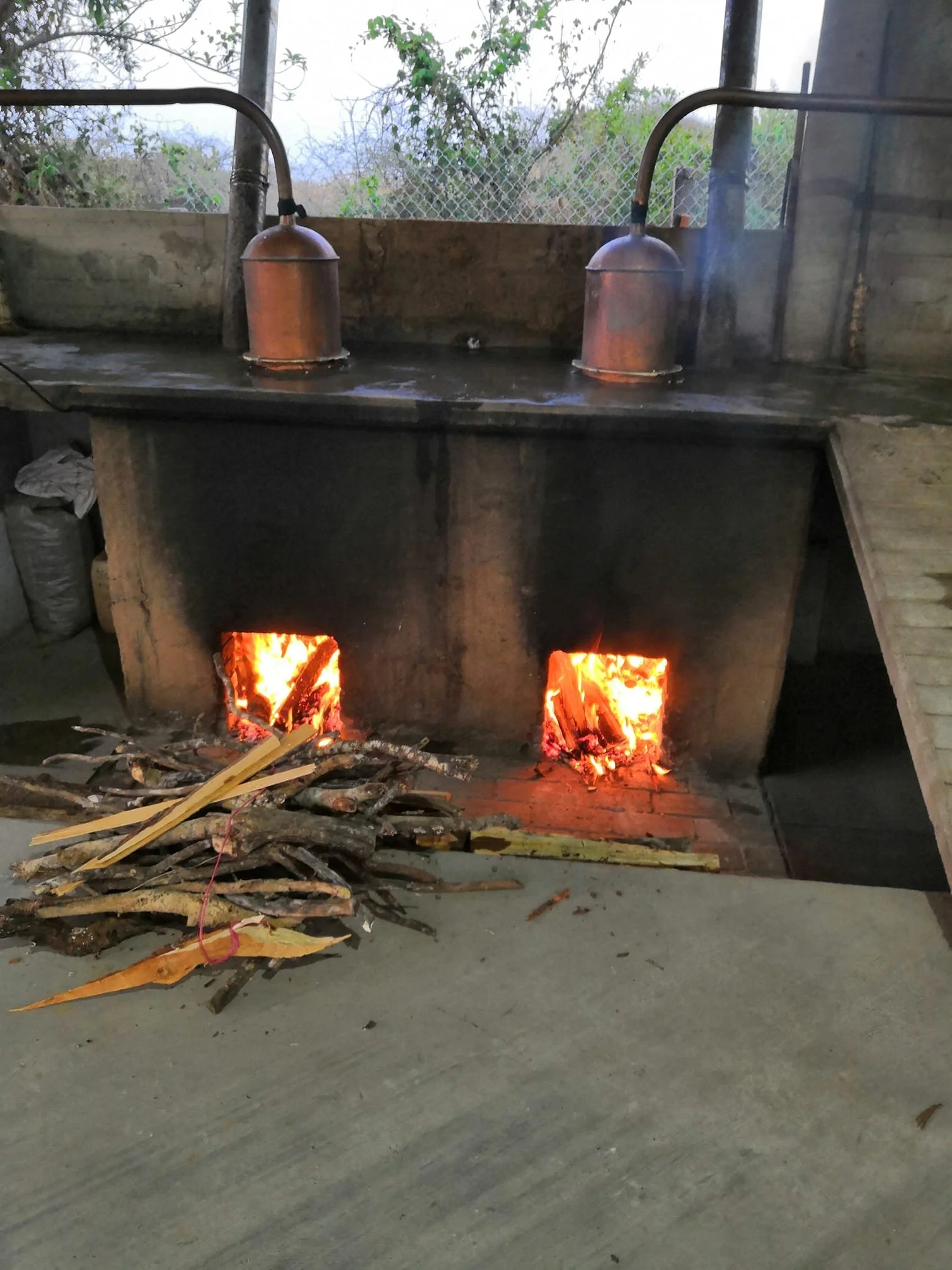
Distill. The fermented mash is double distilled in copper alembic stills, giving José precise control over his cuts so only the cleanest heart of the spirit goes into the bottle.
The result is a bright, expressive mezcal that puts the agave first, with smoke as a seasoning rather than the headline.
Flavor and the three Tileño expressions
Artisanal mezcal tends to show clear fruit, floral lift, and sweet roasted agave, supported by moderate smoke. Because Tileño uses the same process for every bottling, the differences between expressions come down to the agave itself:
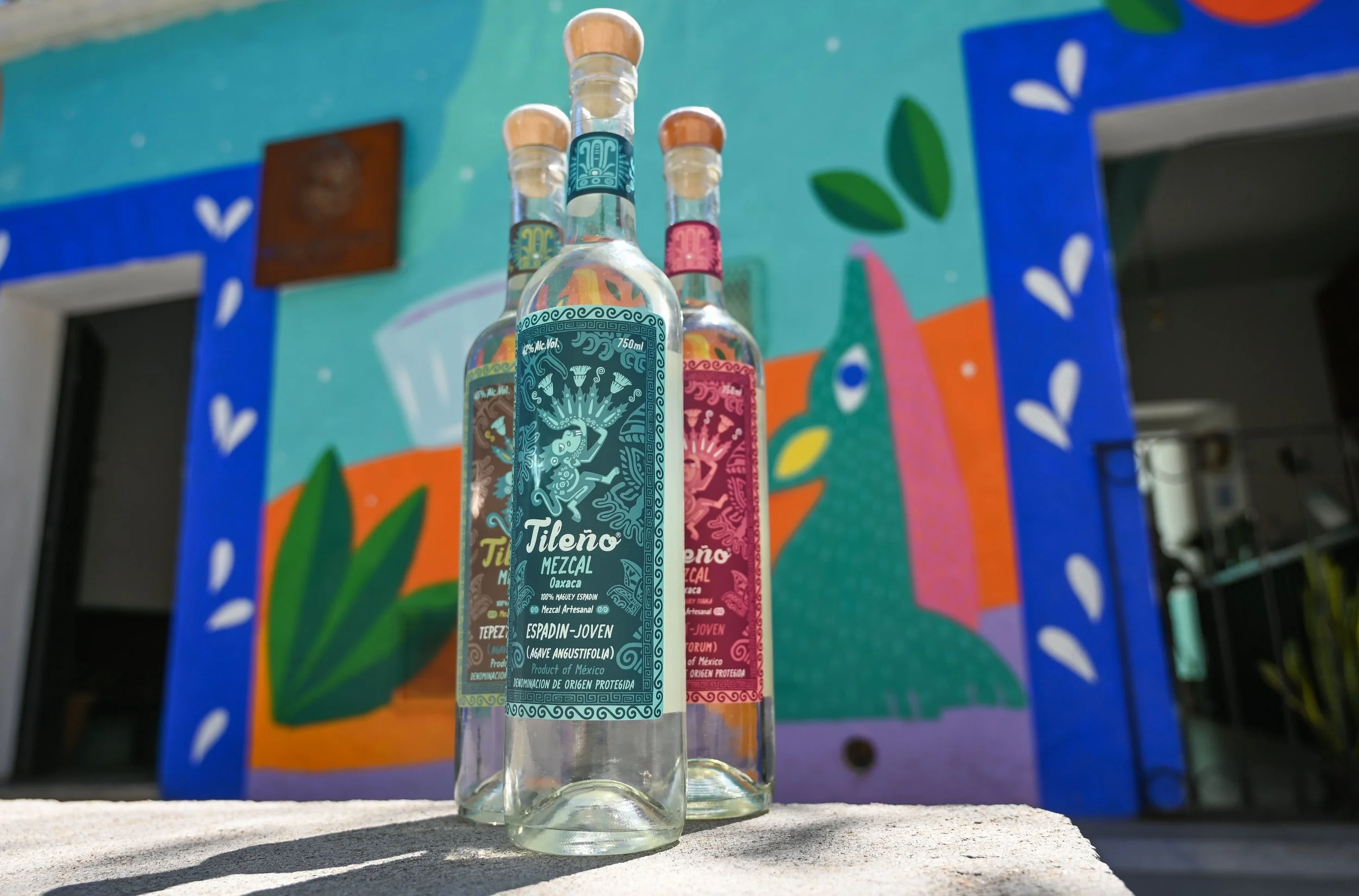
Tileño Espadín (Agave angustifolia, 42% ABV). Made from cultivated agave grown around the palenque and in the surrounding hills. Expect green apple, fresh-cut grass, cracked pepper, and baking spice over delicate smoke. Our most versatile bottle, at home neat or in a cocktail.
Tileño Tobalá (Agave potatorum, 45% ABV). Wild agave harvested in the mountains around San Martín Tilcajete, typically 12 to 16 years old. Tobalá is small, slow-growing, and prized for its floral, fruit-driven character.
Tileño Tepextate (Agave marmorata, 45% ABV). Wild agave that takes roughly 25 years to mature, among the longest of any mezcal agave. Herbal, green, and layered, with smoke that supports the agave rather than covering it.
What is ancestral mezcal?
Ancestral mezcal is the most heritage-bound category under NOM-070. It restricts tools and methods more tightly than artisanal, preserving pre-industrial technique at every stage. Production is slower, yields are smaller, and the flavor often leans earthier and more textural.
The legal standard
Mezcal Ancestral requires pit roasting, crushing by hand with wooden mallets or by tahona, natural fermentation, and distillation exclusively in clay pots (ollas de barro) over direct fire. No copper stills are permitted. That last requirement is the real dividing line: clay distillation is what makes a mezcal ancestral.
Traditional tools and techniques
In many ancestral palenques, roasted agave is chopped and pounded by hand in a wooden trough, a labor-intensive step that leaves more fiber intact. Fibers often stay in during fermentation and sometimes during distillation. The stacked clay stills demand small charges and delicate cuts, so every batch is tiny, seasonal, and closely tied to its maestro.
Flavor and production constraints
Ancestral mezcal often shows clay minerality, cocoa husk, damp herbs, and savory-sweet agave with a velvety texture. Because clay stills are slow and fragile and hand-mashing is grueling work, losses can be high and output low. That scarcity is why authentic ancestral mezcal is rarer and usually more expensive.
Artisanal vs. ancestral: the key process differences
The differences start at the roasting pit and compound through every step. Each choice, stone versus hand-mash and copper versus clay, changes heat, extraction, and how flavor compounds form and carry into the final spirit.
Cooking
Both categories typically roast in underground pits, but wood type, stones, pit depth, and roast time vary by producer. Hardwoods give steady heat and a clean line of smoke; longer, slower roasts build sweetness and body.
Crushing
Tahona crushing, used at Tileño, is consistent and extracts a balanced mix of juice and fiber that ferments predictably. Hand-milling is slower and more variable, which can produce a denser mouthfeel and a more rustic aromatic range.
Fermentation
Artisanal mezcal usually ferments in wooden vats, where wild yeasts and bacteria from the wood and air drive the process. That's exactly how Tileño ferments. Ancestral producers may also use clay, stone, or historically animal hides, each shifting temperature and oxygen exposure. Cool Central Valleys nights slow fermentation down, which builds aromatic complexity.
Distillation
Copper heats quickly and evenly, allowing clean cuts and a bright, high-definition spirit that highlights fruit and florals. Clay holds and radiates heat differently, producing a softer, rounder spirit with earthy, mineral tones. Double distillation in copper is the reason Tileño tastes clean, precise, and agave-forward.
Batch size and time
Artisanal batches are still small, but the tahona and copper still allow consistency from season to season. Ancestral batches are micro-scale, with long timelines and more risk at every step, which translates into fewer bottles and higher prices.
How process shapes flavor
Smoke is a seasoning, not the goal. Pit design, wood, and roast length set the baseline, while fermentation and the still determine how that smoke integrates. Copper tends to present smoke as a clean accent around fruit and florals. Clay weaves it into mineral and cocoa-like tones.
Texture follows process too. Tahona plus copper, the Tileño method, yields crisp definition and a clean finish. Hand-mash plus clay often shows a velvety grip and lingering savory depth.
When to choose artisanal or ancestral
For neat sipping, reach for ancestral mezcal when you want earthy minerality and a long, textural finish. Choose artisanal for a brighter, fruit-forward profile with clean structure, and for a bottle that works across sipping and cocktails.
With Tileño:
For cocktails, start with Espadín. Its clarity and structure work in a Paloma, a mezcal Negroni, a mezcal Martini, or a low-ABV spritz without overpowering the other ingredients.
For sipping, pour Tobalá or Tepextate. Wild agave and years of growth give them depth worth tasting on their own, or in a minimal stirred drink with a splash of bianco vermouth.
Tasting guide: a Tileño flight
The best way to understand how agave shapes flavor is to taste all three Tileño expressions side by side. Because each is made with the same pit oven, tahona, wooden vats, and copper stills, the process stays constant and the agave does the talking.
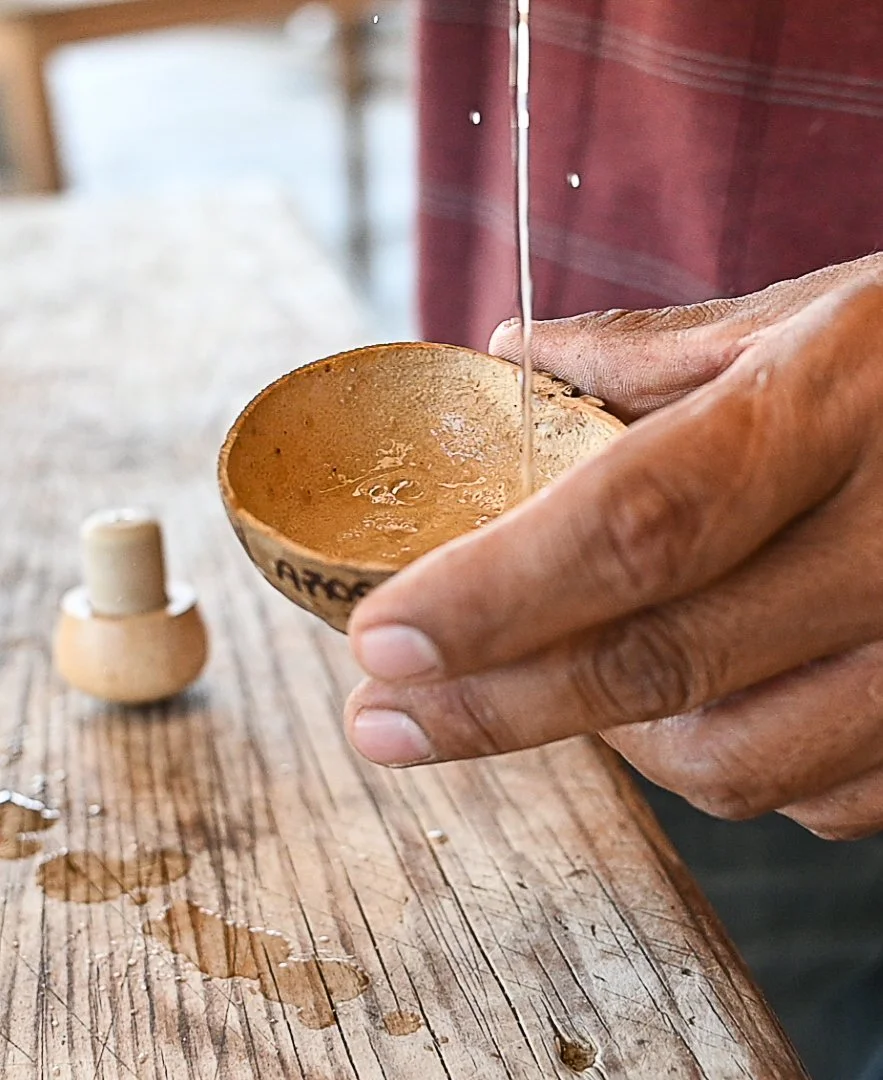
Setup. Use copitas or small tulip glasses to focus the aromatics. Serve at cool room temperature; too cold mutes fruit and minerality. Pour equal amounts and let each rest two to five minutes before nosing.
Order. Taste Espadín first, then Tobalá, then Tepextate, moving from the most familiar agave to the wildest and oldest.
What to look for. Taste in two passes: first for structure and texture, then for aromatic detail. Look for Espadín's green apple and pepper, Tobalá's floral lift, and Tepextate's herbal depth. Notice how the same process produces three very different spirits.
Pairing without masking the agave
Pair Tileño Espadín with bright, acidic dishes: ceviche, citrus-dressed salads, fresh cheeses, or fish tacos. Pair Tobalá and Tepextate with richer Oaxacan flavors like mole, roasted vegetables, quesillo, or dark chocolate.
In cocktails, keep ratios respectful. Let the mezcal lead, skip heavy syrups, and use a pinch of salt or a restrained bitter to frame the agave rather than bury it.
Frequently asked questions
Is Tileño artisanal or ancestral mezcal? Tileño is Mezcal Artesanal. It's roasted in an earthen pit, milled by stone tahona, wild-fermented in open wooden vats, and double distilled in copper alembic stills.
Who makes Tileño Mezcal? Tileño is made by maestro mezcalero José Ángeles Elías at his palenque in San Martín Tilcajete, Oaxaca. He began distilling Tileño in 2014.
What does "Tileño" mean? Tileño is the name for the people of San Martín Tilcajete, a Zapotec community in Oaxaca's Central Valleys. The village is also known worldwide for its alebrijes, hand-carved and hand-painted copal figures, and Tileño's label draws on Zapotec symbols, codices, and border patterns.
What's the difference between artisanal and ancestral mezcal? The defining difference is the still. Artisanal mezcal can be distilled in copper or clay; ancestral mezcal must be distilled in clay pots over direct fire. Ancestral production is also more manual overall, so it's rarer and usually more expensive.
Which Tileño is best for cocktails? Tileño Espadín. It's bright, balanced, and agave-forward, so it holds its own in a Paloma or Negroni. Save Tobalá and Tepextate for sipping.
Respecting the craft and the people behind every bottle
The artisanal vs. ancestral conversation is ultimately a celebration of diversity within authenticity. Both styles share a devotion to land, agave, and patience, each offering a different interpretation of tradition.
Tileño exists to honor the Zapotec people of San Martín Tilcajete and the knowledge passed down to maestros like José Ángeles Elías. Every bottle supports that community and keeps its craft alive. Whether you lean artisanal or ancestral, what matters most is respect for the process and for the people who keep it going.
Explore the Tileño range: Espadín, Tobalá, and Tepextate, made by hand in San Martín Tilcajete, Oaxaca.
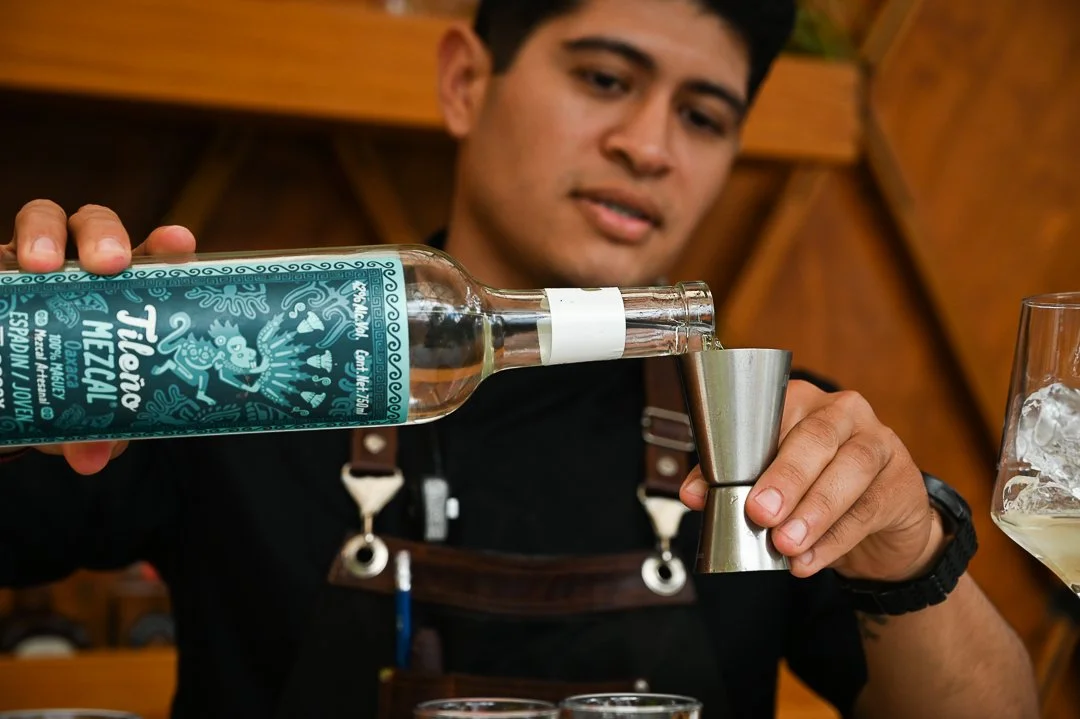
How to Drink Mezcal: Sipping, Pairing and 3 Easy Cocktails
Tileño Mezcal
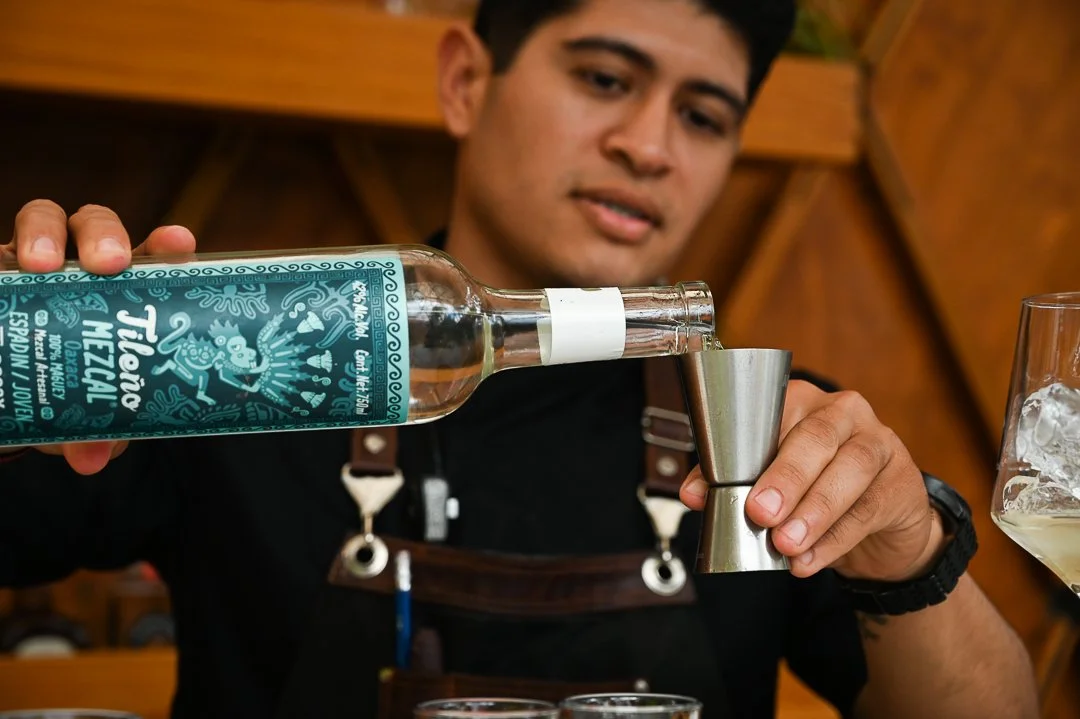
The traditional way to drink mezcal is neat, at room temperature, in small sips. No shots, no salt-and-lime ritual. Sipping slowly lets the agave, fruit and smoke open up in layers.
Mezcal is also one of the best spirits for cocktails. A cultivated agave like Espadín adds depth and a little smoke to classics like the Margarita and Negroni. Save wild agaves like Tobalá and Tepeztate for sipping.
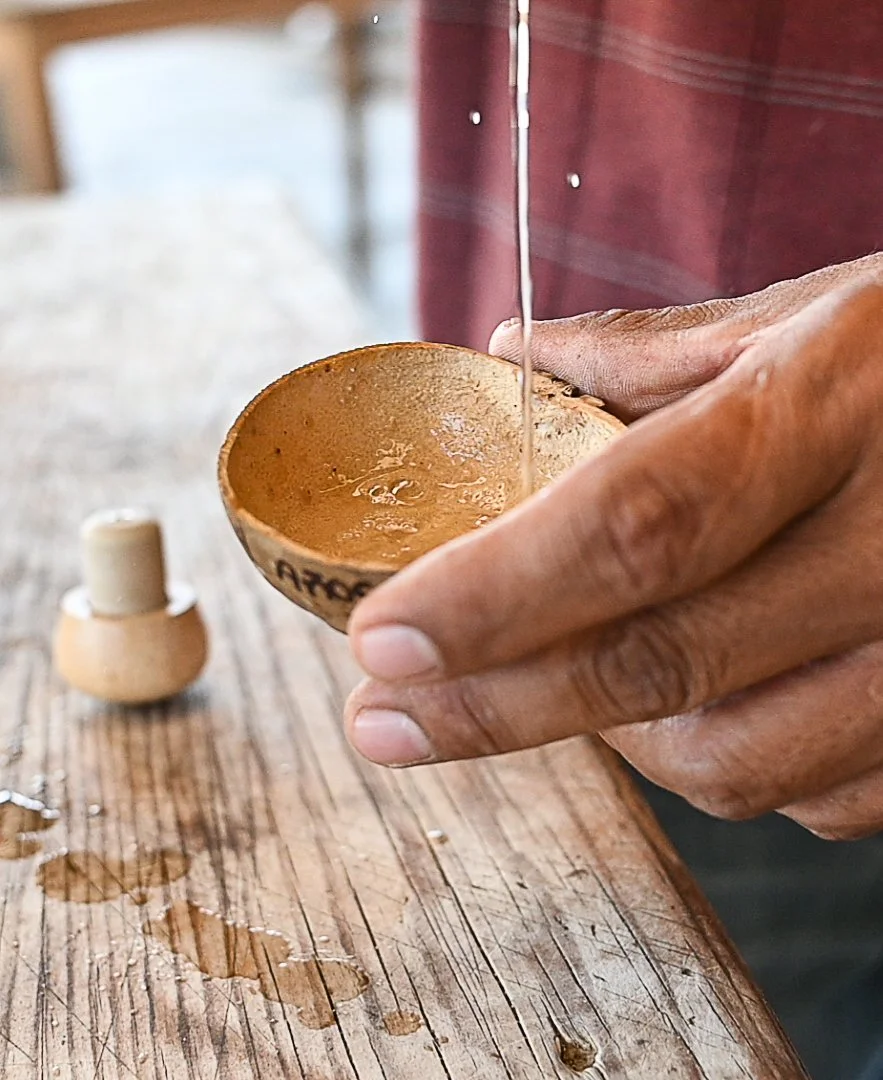
How to sip mezcal
Pour about an ounce. Use a small, wide glass, like a copita, a votive candle holder or a rocks glass. A wide opening lets the aromas breathe.
Serve it at room temperature. Skip the ice and the freezer. Cold mutes the flavor.
Smell it gently. Hold the glass a little below your nose and breathe in slowly. Mezcal is high proof, so a deep sniff can overwhelm you.
Take a small sip and hold it. Let it coat your tongue for a few seconds before you swallow. The first sip wakes up your palate; the second one is where the flavor shows up.
Go slow. A good pour of mezcal should last as long as a beer. The flavor keeps changing as it sits in the glass.
A common saying in Oaxaca is that you should kiss mezcal, not shoot it.
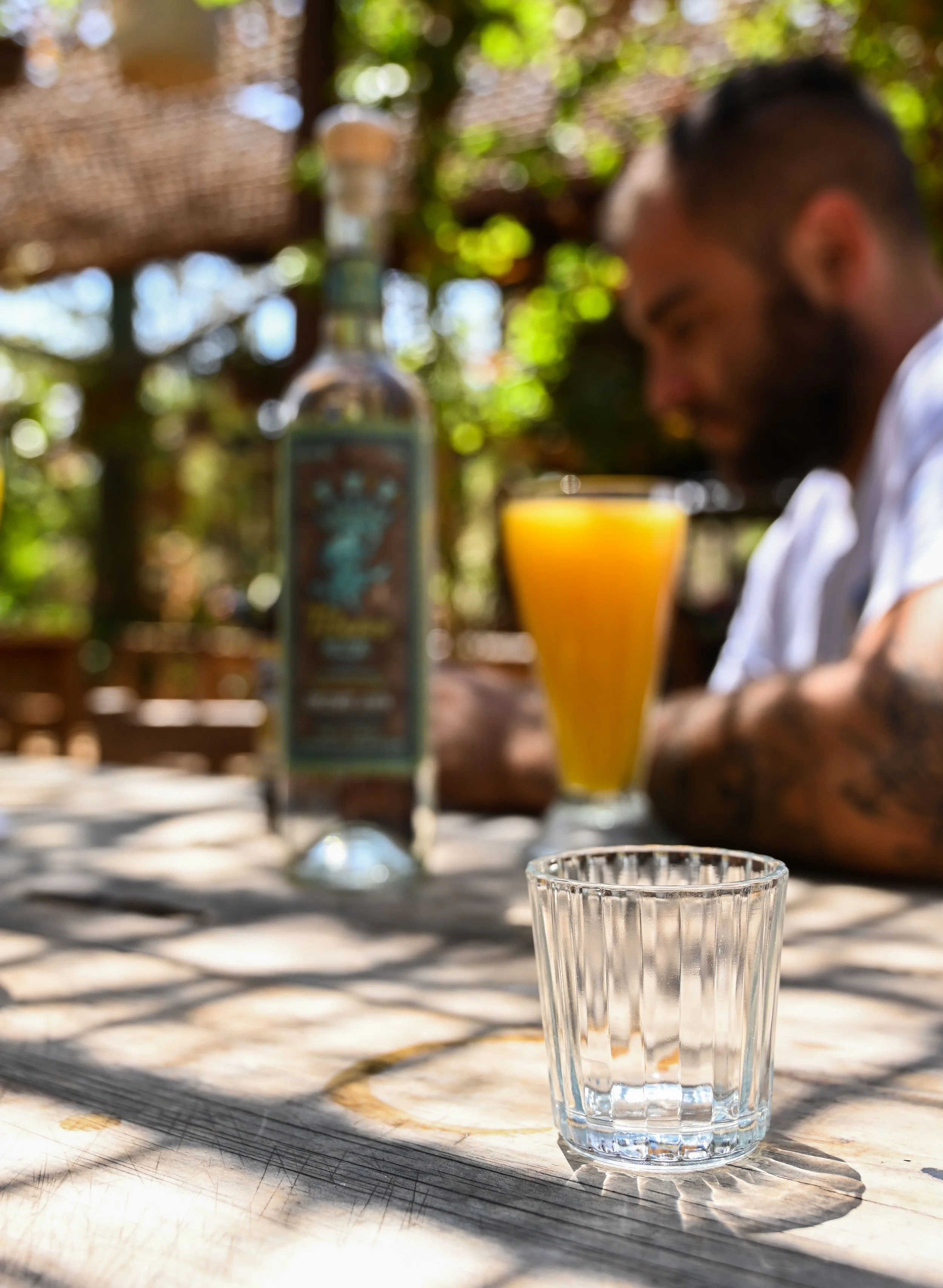
What to eat with mezcal
The classic pairing is orange slices with sal de gusano, a chile and agave-worm salt. The citrus brightens the mezcal and the salt brings out its sweetness. Plain orange slices with a sprinkle of chile-lime salt work too.
Beyond the classic, mezcal goes well with:
Grilled and smoked foods: Tacos al pastor, carne asada, grilled shrimp and charred vegetables echo the roast in the agave.
Rich, spiced dishes: Oaxacan mole is the traditional match.
Fresh seafood: Ceviche, aguachile and raw oysters, especially with Espadín or Tobalá.
Dark chocolate: A square of dark chocolate with Tepeztate is an easy after-dinner pairing.
Salty snacks: Toasted pumpkin seeds, spiced peanuts and aged cheeses.
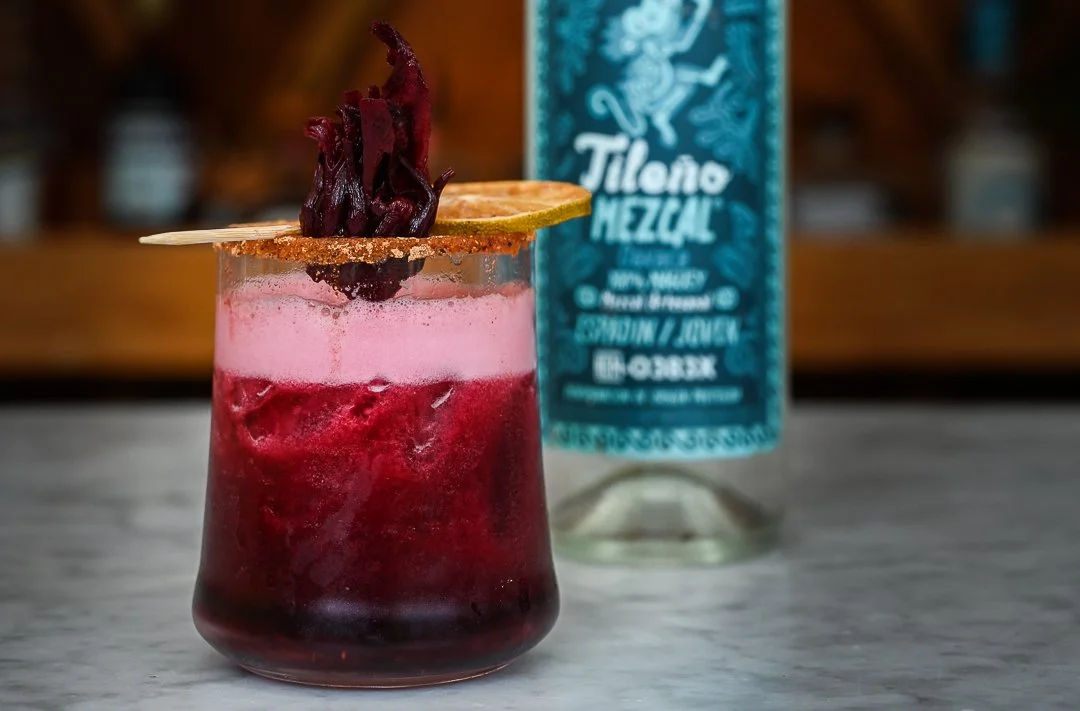
Three easy mezcal cocktails
Swapping mezcal into a classic you already know is the easiest way to start mixing with it. All three of these use Tileño Espadín.
Mezcal Margarita
Bright, tart and lightly smoky. The best first mezcal cocktail.
2 oz Tileño Espadín
1 oz fresh lime juice
3/4 oz orange liqueur
1/4 oz agave syrup
Salt or chile salt for the rim (optional)
Shake everything with ice for 10–15 seconds. Strain into a rocks glass over fresh ice, rimmed with salt if you like. Garnish with a lime wheel.
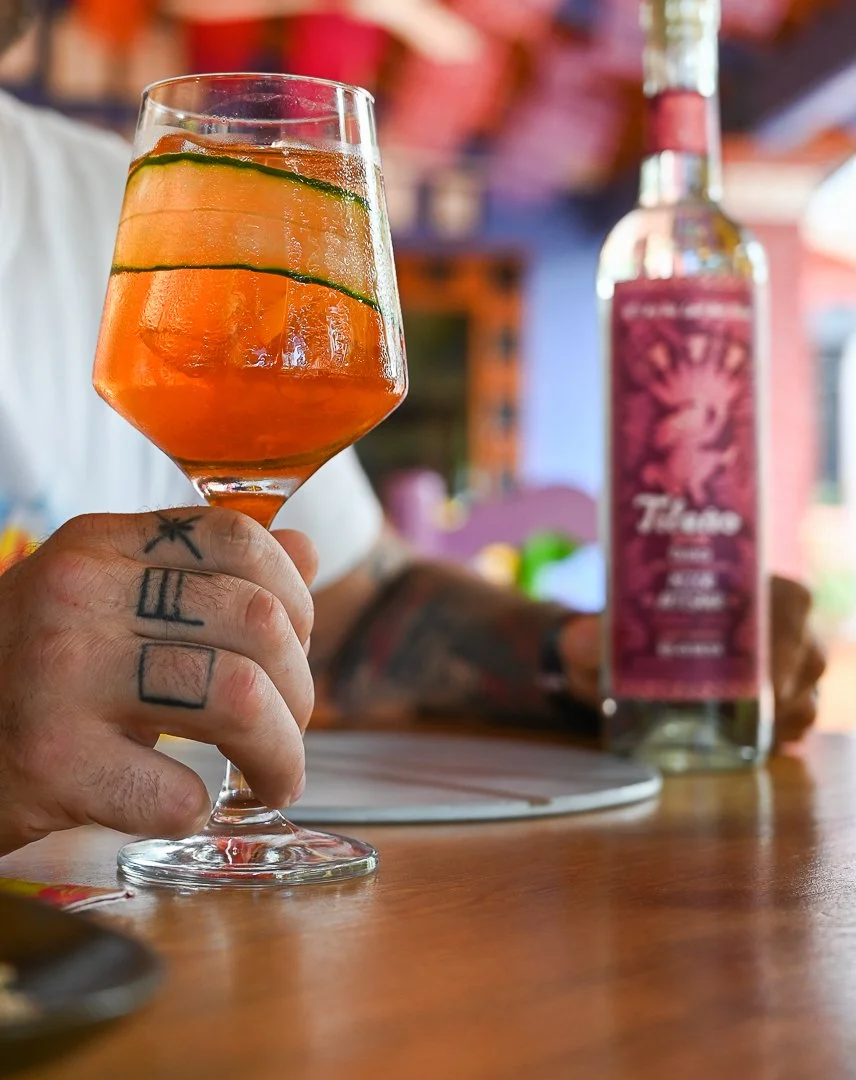
Mezcal Paloma
Tall, refreshing and easy to make for a crowd.
2 oz Tileño Espadín
1/2 oz fresh lime juice
Pinch of salt
Grapefruit soda to top
Add mezcal, lime juice and salt to a tall glass filled with ice. Top with grapefruit soda and stir gently. Garnish with a grapefruit wedge.
Mezcal Negroni
Bitter, rich and smoky. A favorite of bartenders.
1 oz Tileño Espadín
1 oz Campari
1 oz sweet vermouth
Stir everything with ice for about 20 seconds. Strain into a rocks glass over a large ice cube. Garnish with an orange peel.
Frequently asked questions
Should you drink mezcal as a shot?
You can, but you'll miss most of the flavor. Mezcal is made to be sipped slowly, like a good whiskey.
Do you drink mezcal with ice?
Traditionally, no. Ice dulls the aroma and flavor. If you prefer it chilled, use one large cube so it melts slowly.
What glass should you drink mezcal from?
A small, wide glass works best. Traditional choices include the copita, a clay cup called a jícara, or a veladora, a votive candle glass. A rocks glass works fine at home.
What mixes well with mezcal?
Citrus, grapefruit soda, Campari, sweet vermouth, ginger beer and pineapple all pair well with mezcal.
Which mezcal is best for cocktails?
Espadín. It's balanced, versatile and the best value. Save Tobalá and Tepeztate for sipping neat.
Can I swap mezcal for tequila in any cocktail?
In most of them, yes. Start by replacing half the tequila with mezcal, then go all in once you like the flavor.
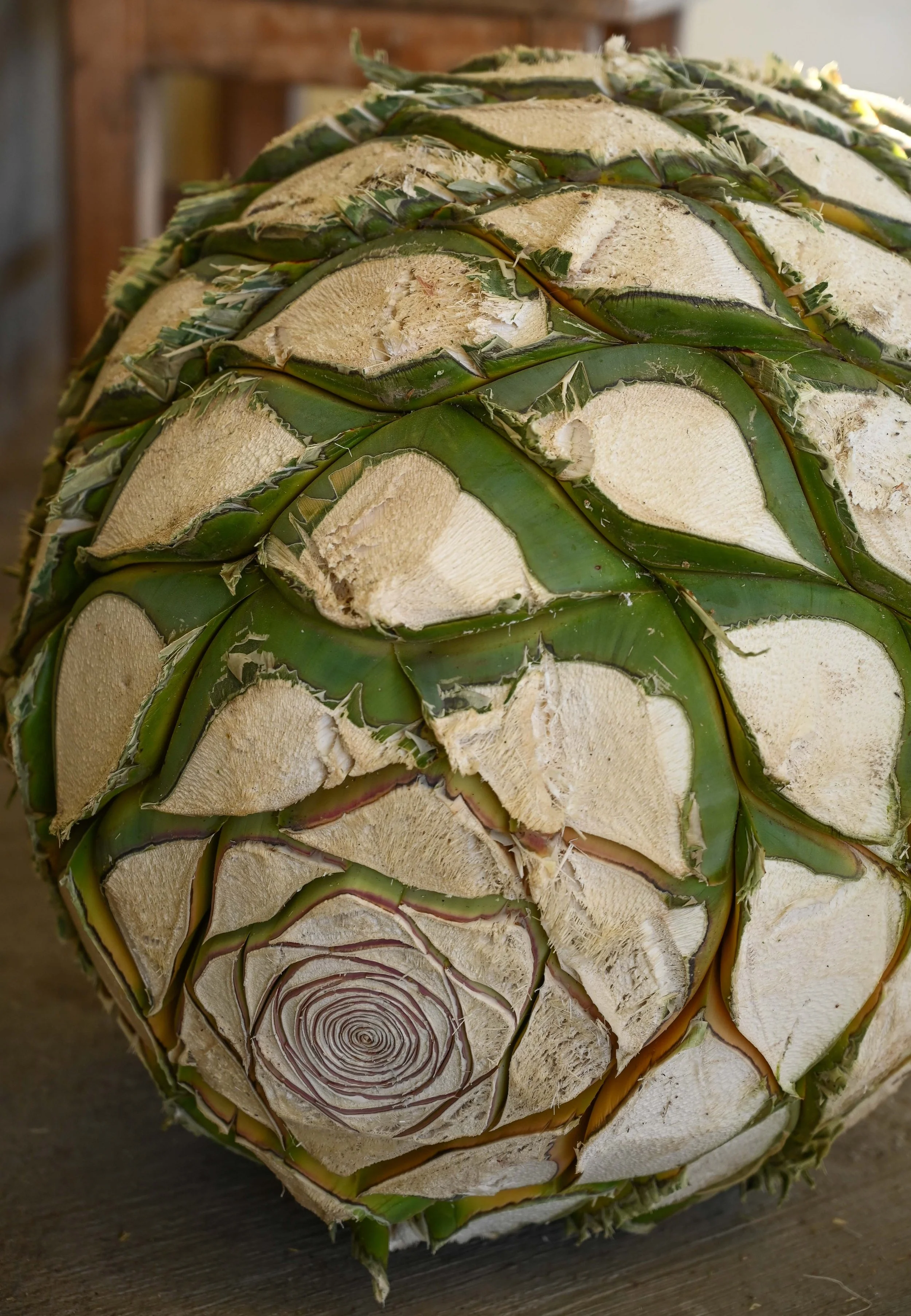
Espadín vs. Tobalá vs. Tepeztate: A Guide to Tileño’s Three Agaves
A review of the three types of agave that Tileño Mezcal produces for sales in the United States
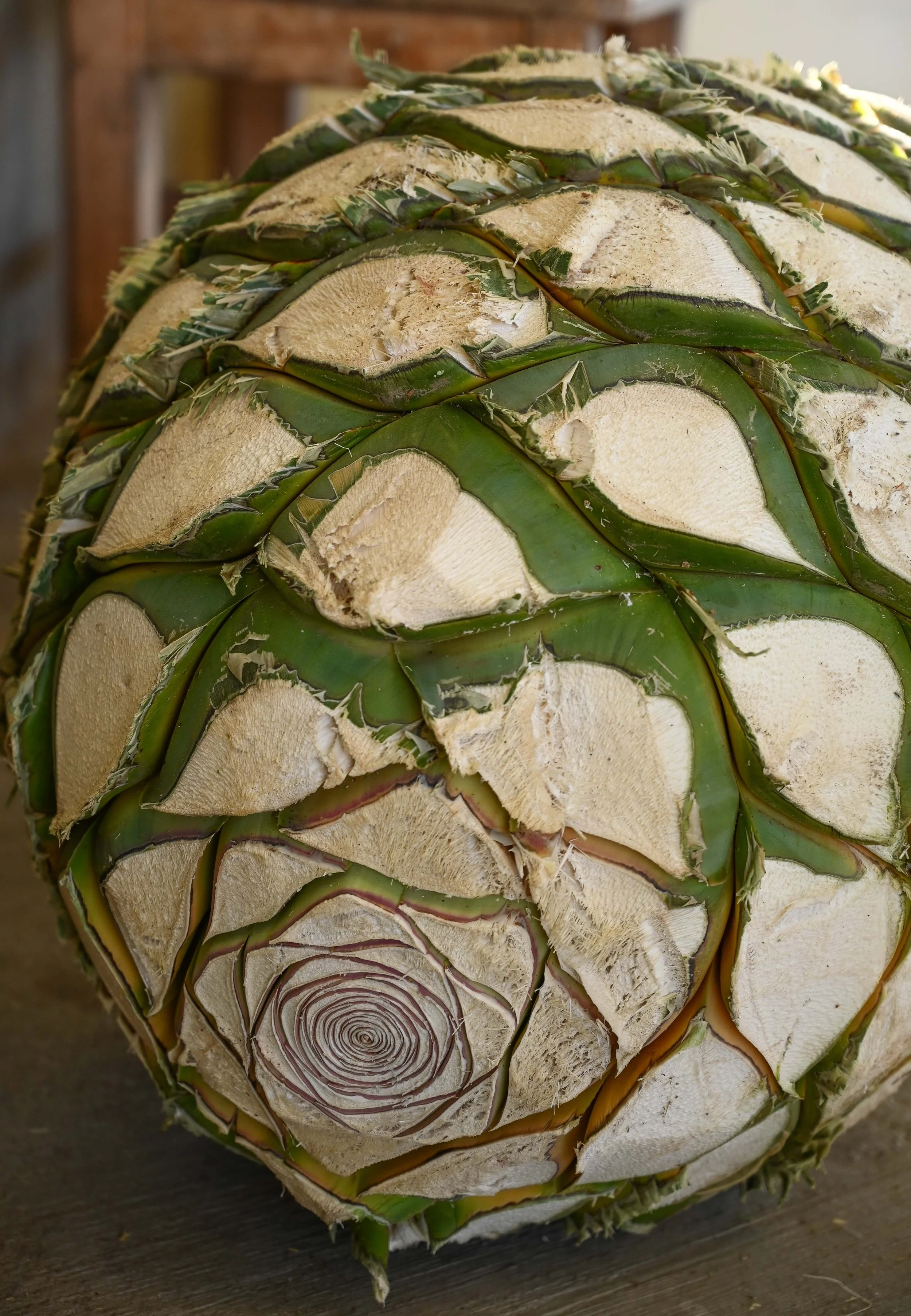
Espadín, Tobalá and Tepeztate are three different agave species, and each makes a distinct mezcal. Espadín is cultivated and matures in about 6–8 years, giving a bright, balanced spirit. Tobalá and Tepeztate are wild agaves that take 12 to 25+ years to mature, so they are rarer, lower-yielding and more expensive.
Most people meet mezcal through Espadín. It accounts for the large majority of mezcal made in Oaxaca. Tobalá and Tepeztate are where mezcal gets interesting: plants foraged from mountainsides, harvested once in a generation, and distilled in small batches.
Tileño makes all three, and more varieties, but currently just these three are available in the United States. Here's how they differ, what each tastes like, and which one to pour first.
What is Espadín mezcal?
Espadín is mezcal made from Agave angustifolia, a cultivated agave that matures in about 6–8 years. It is the most widely planted agave in Oaxaca and the backbone of the category.
Because Espadín is farmed, producers can plant it in rows, harvest on a schedule and keep quality consistent. That's why it's the most affordable mezcal on most shelves. Affordable doesn't mean simple: a well-made Espadín shows roasted agave, citrus peel and a clean, gentle smoke.
Espadín is also a close relative of blue Weber agave, the only agave allowed in tequila. Many botanists consider blue Weber a domesticated descendant of Agave angustifolia.
Tileño Espadín is the bottle we reach for in a mezcal Negroni or a Oaxacan Old Fashioned.
What is Tobalá mezcal?
Tobalá is mezcal made from Agave potatorum, a small, mostly wild agave that takes 12–15 years to mature. It grows in rocky, high-altitude terrain, often in the shade of oak and pine.
Tobalá is sometimes called the "king of mezcal." The plant is small, so it takes many piñas to fill a single roasting pit, and each one yields little juice. It also reproduces mainly by seed rather than shoots, which makes it hard to farm at scale. Much of it is still foraged by hand.
The result is one of mezcal's most aromatic styles: floral, fruity and mineral, with a soft, rounded body and less aggressive smoke than many Espadíns.
Tileño Tobalá is meant to be enjoyed neat, at room temperature, in a small glass or copita.
What is Tepeztate mezcal?
Tepeztate (also spelled Tepextate) is mezcal made from Agave marmorata, a wild agave that can take 15 to 25 years or more to mature. It is one of the slowest-growing agaves used for mezcal.
Tepeztate clings to cliffs and steep canyon walls, so harvesting it means climbing, cutting and carrying heavy piñas out by hand or by burro. A plant harvested today may have taken root before the person cutting it was born. When it does mature, it sends up a tall stalk of bright yellow flowers, and then dies.
In the glass, Tepeztate is bold and distinctive: green and vegetal, with black pepper, fresh herbs and a long, spicy finish. It's the agave mezcal lovers reach for when they want something no one else at the table has tried.
Tileño Tepeztate is meant for sipping, slowly.
Why do Tobalá and Tepeztate cost more?
Wild agave mezcal costs more because of time, scarcity and labor. An Espadín bottle reflects about seven years of growth; a Tepeztate bottle can reflect more than twenty.
Time: A wild plant ties up land and waiting for two to three times as long as a cultivated one.
Scarcity: Wild agaves can't be planted in rows on demand. Each harvest removes plants that took decades to grow, so responsible producers limit how many they take.
Labor: Wild piñas are found, cut and hauled out of rough terrain by hand.
Yield: Smaller or more fibrous piñas produce less mezcal per plant, so each batch is small.
When you pay more for Tobalá or Tepeztate, you're paying for a plant that took a decade or two to make, and for the people who brought it down the mountain.
Which one should you try first?
Start with Espadín, move to Tobalá, and save Tepeztate for when you know what you like.
New to mezcal: Espadín. It's approachable neat and works in any cocktail that calls for tequila or whiskey.
Want something softer and more aromatic: Tobalá. Its floral, fruity profile wins over people who think mezcal is all smoke.
Want something bold and rare: Tepeztate. Green, peppery and unlike anything else on the back bar.
Hosting a tasting: Pour all three side by side, in that order. Tasting the same producer across three agaves is the fastest way to understand what agave species contributes.
Frequently asked questions
Is Tobalá better than Espadín?
Not better, different. Tobalá is rarer and more aromatic; Espadín is more versatile and affordable. The best choice depends on whether you're sipping or mixing.
Is it spelled Tepeztate or Tepextate?
Both are correct. The name comes from Nahuatl, and producers spell it either way. Tepeztate is the more common spelling in the US.
Is wild agave mezcal sustainable?
It can be, when producers harvest selectively and replant. Ask any brand how it sources wild agave. Tileño uses sustainable harvesting practices.
Can you use Tobalá or Tepeztate in cocktails?
You can, but most of their nuance gets lost. Use Espadín for cocktails and sip the wild agaves neat.
How should you drink mezcal?
Neat, at room temperature, in small sips. Many people pair it with orange slices and sal de gusano (worm salt).
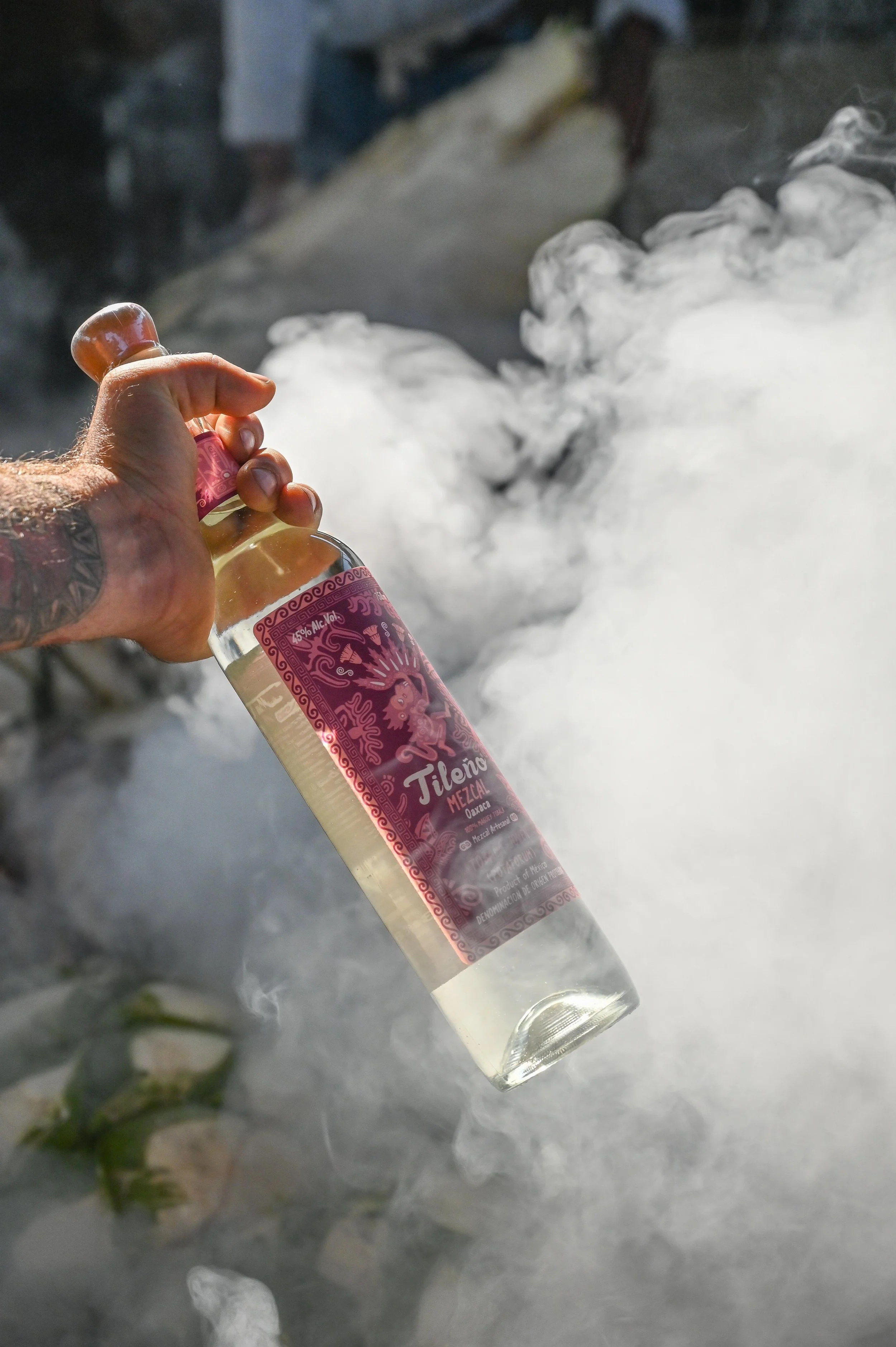
How Mezcal Is Made: From Agave Field to Bottle
Tileño Mezcal
Mezcal is made by roasting the heart of the agave plant, crushing it, fermenting the juice and fibers, and distilling the result. The traditional process takes weeks, and the agave itself can take anywhere from 6 to 25 years to grow.
Most mezcal is still made by hand in small family distilleries called palenques. Every step leaves a mark on the flavor, which is why two mezcals from the same agave can taste completely different.
Tileño is made in Oaxaca, the heart of mezcal country. Here's how agave becomes mezcal, step by step.
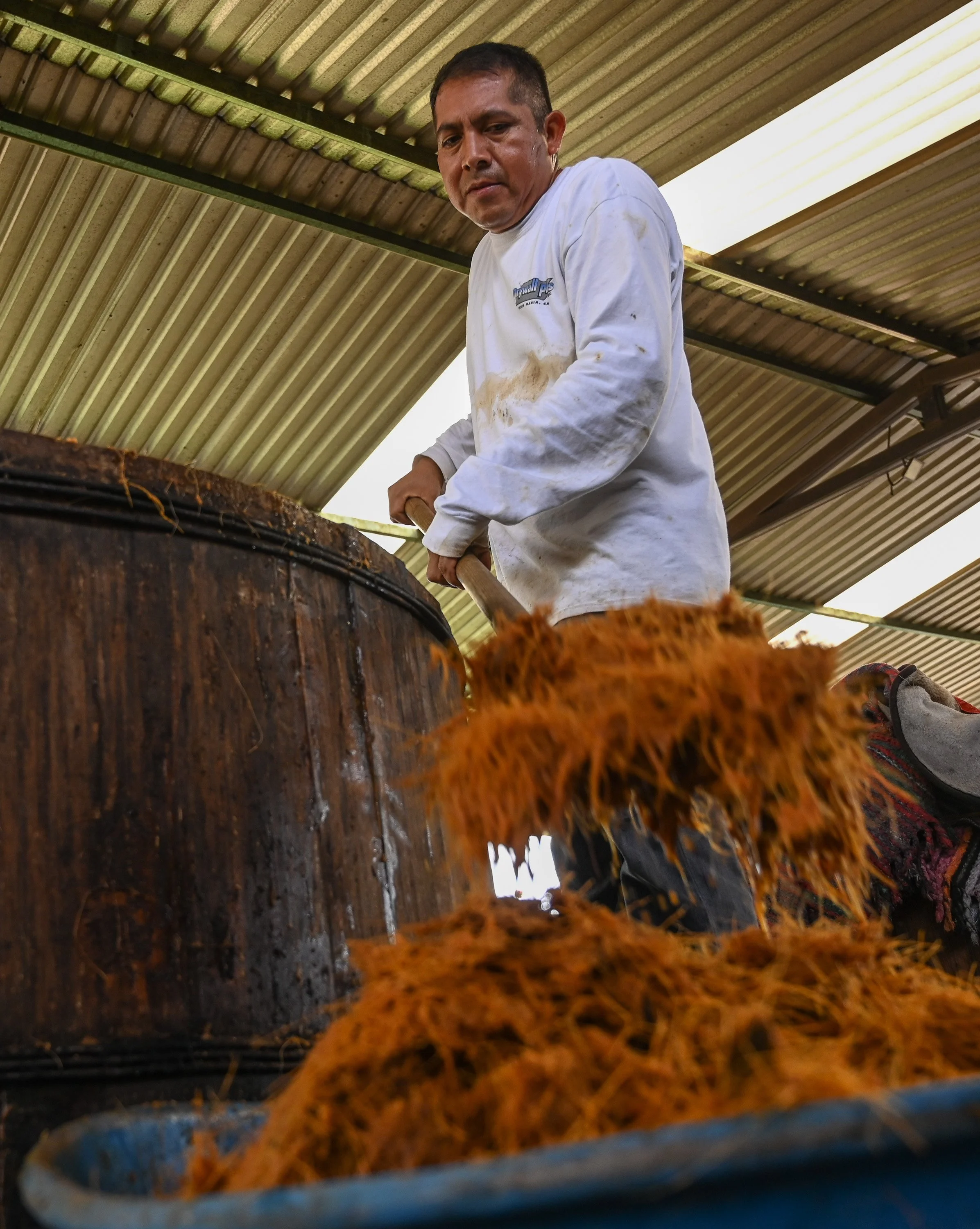
The six steps of making mezcal
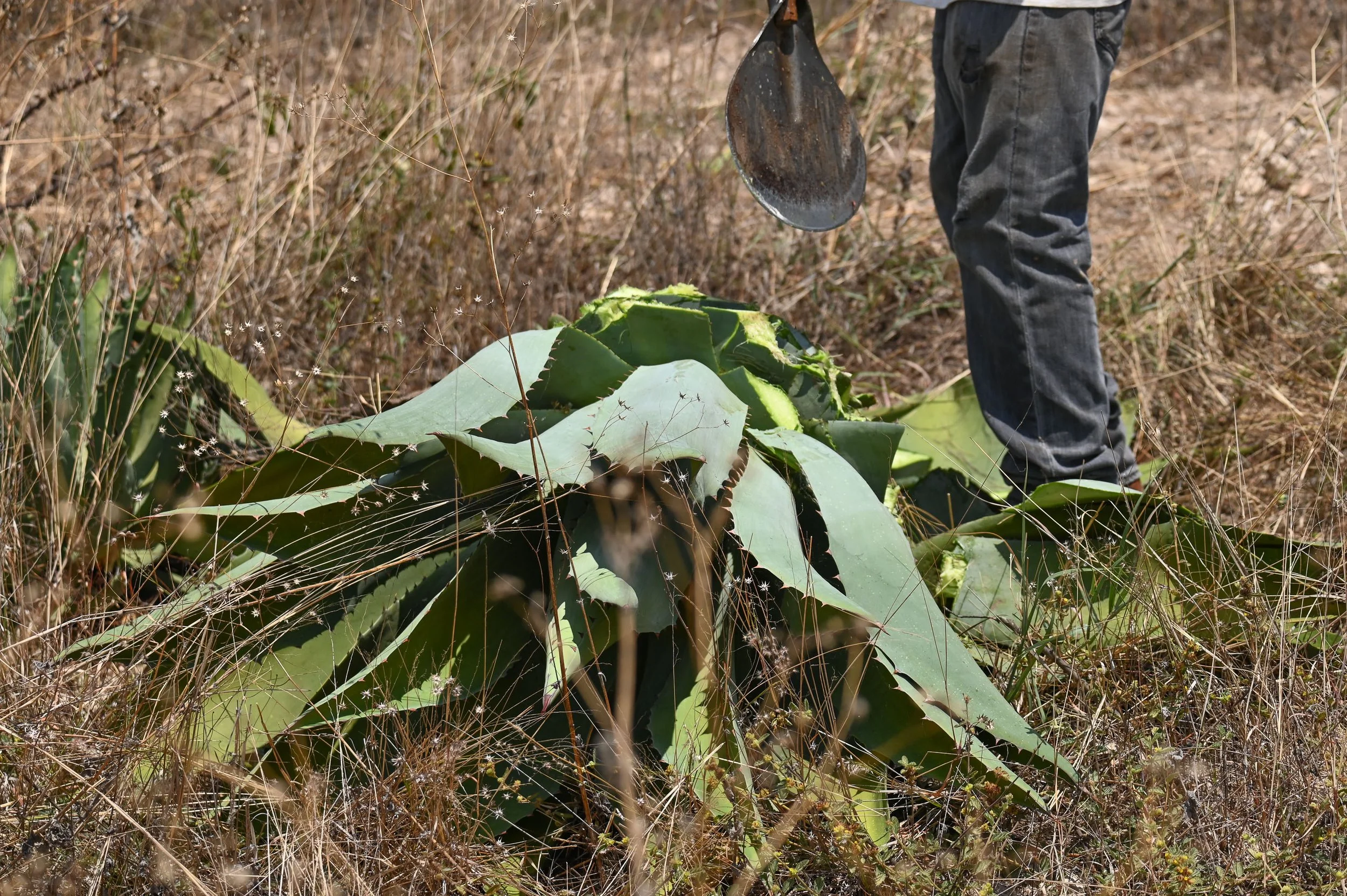
1. Harvest the agave
Mezcal starts with a mature agave, cut down by hand. The harvester uses a sharp blade called a coa to strip away the long, spiky leaves. What's left is the piña, the dense heart of the plant, which can weigh anywhere from about 20 to more than 200 pounds. Cultivated Espadín is ready in about 6–8 years. Wild agaves like Tobalá and Tepeztate can take 12 to 25 years or more.
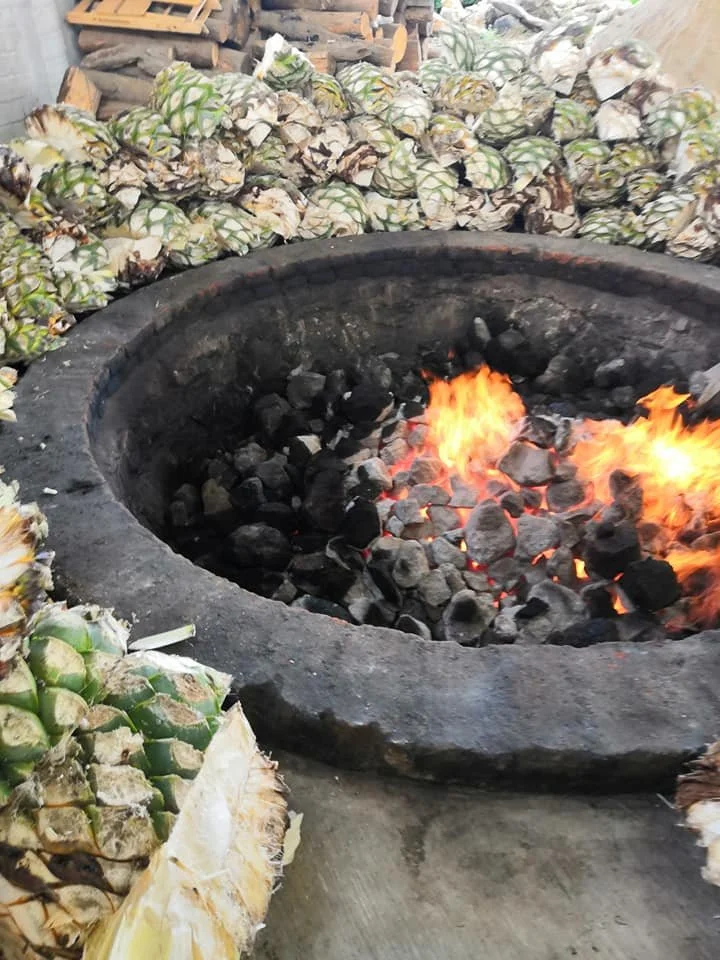
2. Roast it in an earthen pit
The piñas are roasted for several days in a cone-shaped pit dug into the ground. The pit is lined with firewood and river stones, which are heated until they glow. The piñas go in, then they're covered with agave fibers and earth to trap the heat. The slow roast turns the agave's starches into sugars and gives mezcal its sweet, smoky character.
3. Crush the roasted agave
Once roasted, the agave is crushed to release its juice and sugars. The traditional method uses a tahona, a large stone wheel pulled in a circle by a horse or burro. Some producers crush by hand with wooden mallets. Others use a mechanical shredder.
4. Ferment with wild yeast
The crushed agave and its juice ferment in open vats, usually for one to two weeks. Producers add water and let wild, airborne yeast do the work. Vats can be made of wood, stone, animal hide or clay. Weather, altitude and the vat material all affect fermentation, which is one reason mezcal varies so much from batch to batch.
5. Distill, usually twice
The fermented agave is distilled, typically twice, in copper or clay pot stills. The first distillation produces a low-proof spirit. The second refines it into mezcal. The distiller tastes constantly, deciding which parts of the run to keep. This is where skill matters most.
6. Rest and bottle
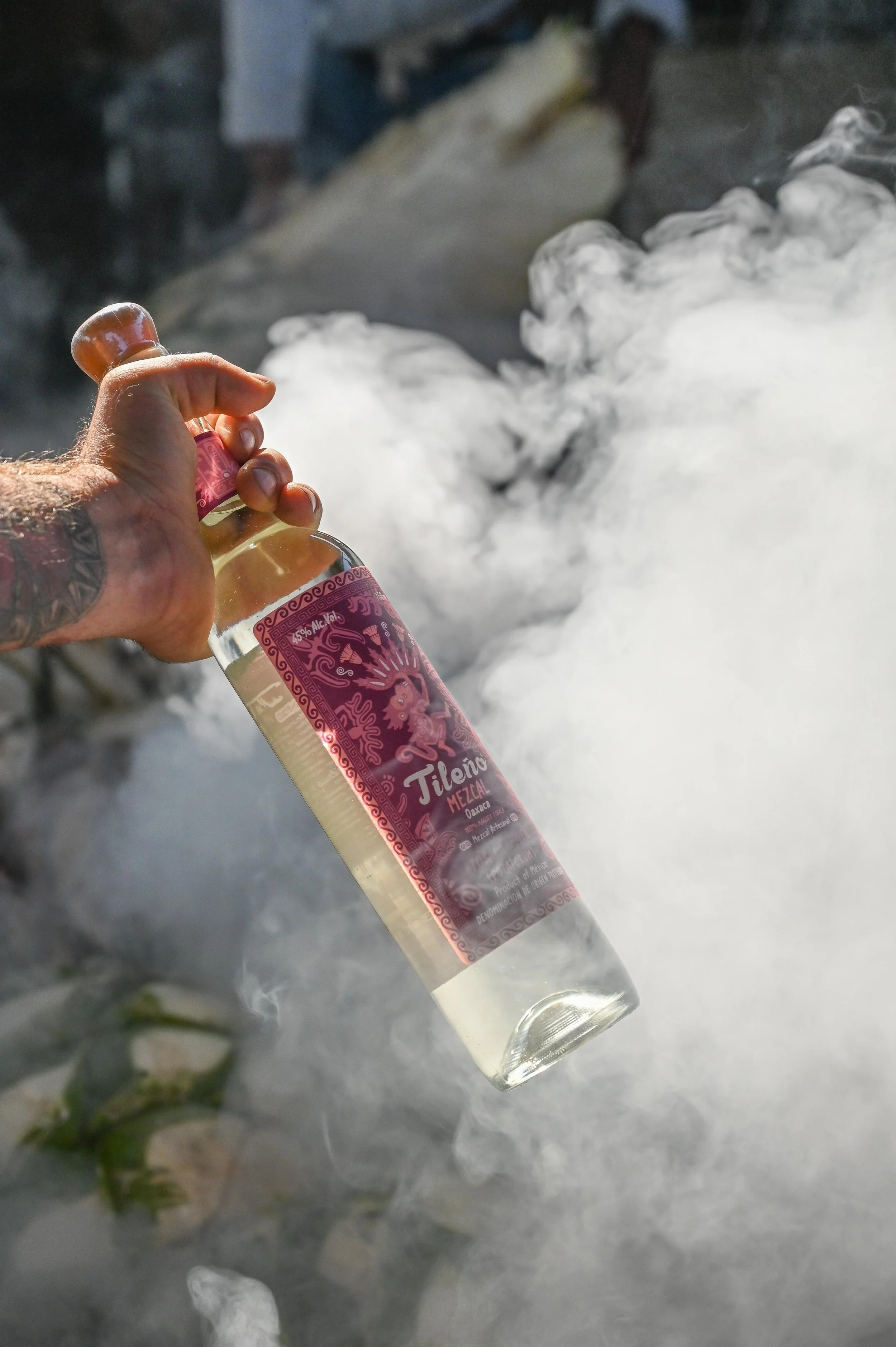
Most mezcal rests briefly in glass or stainless steel before bottling. Unlike tequila, mezcal is usually bottled unaged, or joven, so the flavor of the agave and the roast comes through clearly. Each batch is then bottled, labeled and certified.
What "artisanal" and "ancestral" mean on a label
Mexican regulations sort mezcal into three categories based on how it's made.
Mezcal: The broadest category. Producers may use modern equipment like steam ovens, industrial shredders and stainless steel stills.
Mezcal Artesanal: Agave is roasted in pits, crushed by hand, tahona or mill, and distilled in copper or clay pot stills. Most premium mezcal falls here.
Mezcal Ancestral: The most traditional. Agave is roasted in pits, crushed by hand or tahona, and distilled only in clay pots over direct fire.
All three must be 100% agave.
Why the process matters
Every choice a mezcalero makes shows up in the glass. The type of wood changes the smoke. The length of the roast changes the sweetness. Wild yeast and open-air fermentation add fruit and funk. The still shapes the body and texture.
That's why we think of mezcal as closer to wine than to most spirits. The plant, the place and the people all matter. When you taste a Tileño Espadín next to a Tobalá or Tepeztate, you're tasting years in the field and days at the pit.
Frequently asked questions
How long does it take to make mezcal?
The production itself takes a few weeks: several days to roast, one to two weeks to ferment, then distillation. But the agave takes 6 to 25 years or more to grow before any of that starts.
What is a palenque?
A palenque is a traditional mezcal distillery, usually small and family-run. It's where the agave is roasted, crushed, fermented and distilled.
Why is mezcal smoky?
The agave is roasted in an underground pit heated by wood and hot stones. The smoke from that fire is absorbed by the agave and carries through to the finished spirit.
What is a tahona?
A tahona is a large stone wheel used to crush roasted agave. It's traditionally pulled by a horse or burro.
How much agave does it take to make a bottle of mezcal?
It varies by species and producer, but it often takes several kilograms of agave to make a single liter. Smaller wild agaves need even more plants per batch.
Is mezcal aged?
Most mezcal is bottled unaged, known as joven or blanco. Some producers also offer reposado or añejo mezcal aged in barrels, but unaged mezcal shows the agave most clearly.
Mezcal vs. Tequila: What's Actually Different
Tileño Mezcal is an artesanal mezcal produced in San Martín Tilcajete Oaxaca Mexico
All tequila is technically a mezcal, but not all mezcal is tequila. Mezcal is any spirit distilled from cooked agave. Tequila is a specific type of mezcal: made only from blue Weber agave, mostly in the state of Jalisco, and usually cooked in industrial steam ovens.
Think of it like Champagne and sparkling wine. Tequila is one regional, tightly defined style. Mezcal is the broader family, with dozens of agave species, more than a handful of states, and production methods that often haven't changed in generations.
That difference shows up in the glass. Tequila tends to be clean, sweet and peppery. Mezcal ranges from bright and citrusy to floral, herbal and smoky, depending on the agave and the hands that made it.
Mezcal vs. tequila at a glance
Agave: Mezcal can use more than 40 agave species. Tequila uses only blue Weber agave.
Region: Mezcal comes mainly from Oaxaca. Tequila comes mainly from Jalisco.
Cooking: Mezcal agave is traditionally roasted in earthen pits. Tequila agave is usually steamed in ovens.
Agave content: Mezcal must be 100% agave. Tequila can be 100% agave or a "mixto" with as little as 51%.
Flavor: Mezcal ranges from earthy and fruity to floral and smoky. Tequila leans sweet, peppery and citrusy.
The five real differences
1. The agave
Tequila can only be made from one plant, blue Weber agave. Mezcal can be made from dozens. That range is the biggest reason mezcal tastes so varied. A cultivated Espadín, a wild Tobalá and a cliff-grown Tepeztate can taste like three different spirits. Our guide to Espadín, Tobalá and Tepeztate breaks down those differences.
2. The region
Tequila comes mainly from Jalisco; mezcal comes mainly from Oaxaca. Both are protected by appellations of origin, the same idea as Champagne or Cognac. Oaxaca produces the large majority of the world's mezcal.
3. The roast
Mezcal is traditionally roasted in underground pits; most tequila is steamed. Mezcal producers line a pit with hot stones, pile in the agave hearts (piñas), cover them with earth and let them roast for several days. That slow roast caramelizes the sugars and gives many mezcals their signature smoke. Most tequila producers cook agave in steam ovens or autoclaves, which keeps the flavor cleaner and sweeter.
4. The production
Most mezcal is still made by hand, in small batches. Roasted agave is often crushed by a stone wheel pulled by a horse or burro, fermented in open wooden vats with wild yeast, and distilled in copper or clay stills. Tequila production is generally larger and more mechanized, though small traditional producers exist.
5. The rules
Mezcal must be 100% agave; tequila doesn't have to be. Tequila labeled "100% agave" is all blue Weber. Tequila without that label is "mixto" and can contain up to 49% other sugars. Mezcal also carries production categories on the label: Mezcal, Mezcal Artesanal and Mezcal Ancestral, from most to least modern equipment allowed.
Is all mezcal smoky?
No. Smoke is common in mezcal, but it shouldn't be the only thing you taste. The smoke comes from roasting agave in a wood-fired pit. How much ends up in the bottle depends on the wood, the roast and the distiller.
A well-made mezcal tastes like agave first. Look for roasted fruit, citrus, herbs, flowers or minerals underneath the smoke. If all you get is a campfire, the agave isn't doing the talking.
Where to start with Tileño
If you drink tequila, start with Tileño Espadín. It's the most familiar of our three agaves and works anywhere you'd use tequila: a margarita, a Paloma, or neat over a single large ice cube.
Once you're hooked, try Tobalá for something floral and fruity, then Tepeztate for something bold and green. Each one shows a different side of what agave can do.
Frequently asked questions
Is tequila a type of mezcal?
Yes. Tequila is a regional type of mezcal made only from blue Weber agave, mainly in Jalisco.
Is mezcal stronger than tequila?
Often, but not always. Many mezcals are bottled between 40% and 50% ABV or higher, while most tequila sold in the US is 40%.
Does mezcal have a worm in it?
Most quality mezcal doesn't. The worm was largely a marketing gimmick. The agave larva shows up more often today in sal de gusano, a chile salt served alongside mezcal.
Can I use mezcal instead of tequila in a margarita?
Yes. Swap all or half the tequila for mezcal to add depth and a touch of smoke. Espadín is the best choice for cocktails.
How do you drink mezcal?
Traditionally neat, at room temperature, in small sips. Orange slices and sal de gusano on the side are a classic pairing.
Why is mezcal more expensive than tequila?
Most mezcal is made in small batches by hand, and some agaves take 15 years or more to mature. Wild agaves cost the most.