

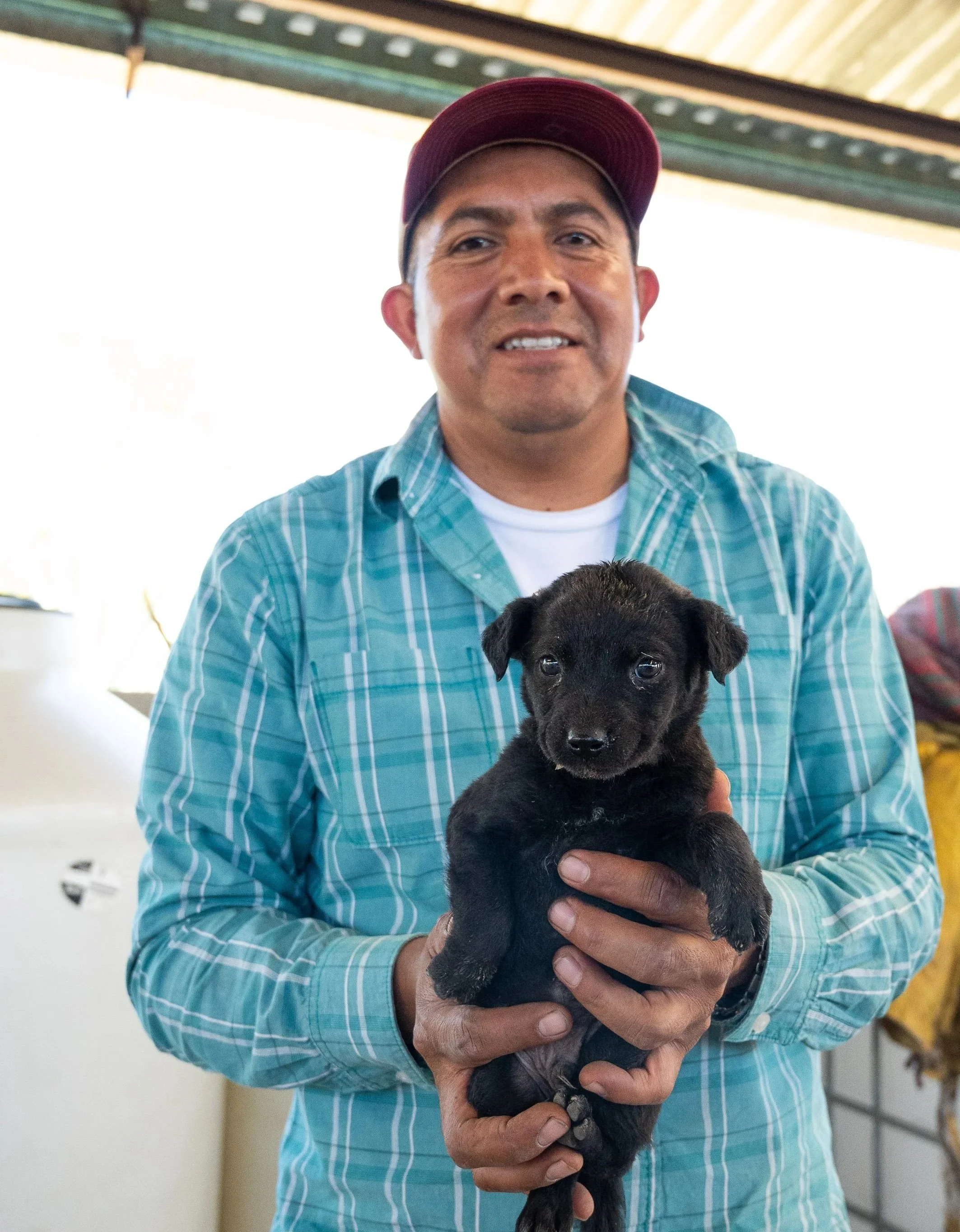
Our Maestro Mezcalero, Elias José Ángeles Ojeda has been making mezcal for a lifetime and launched Tileño in 2014.
José Ángeles Elias was born in San Martín Tilcajete, the land where he makes Tileño is where he calls home along with his parents and family. After many years working in the agave fields José launched Tileño Mezcal in order to provide for his family, his mother and to celebrate the Zapotec culture through his mezcal.
—
From the Earth
—
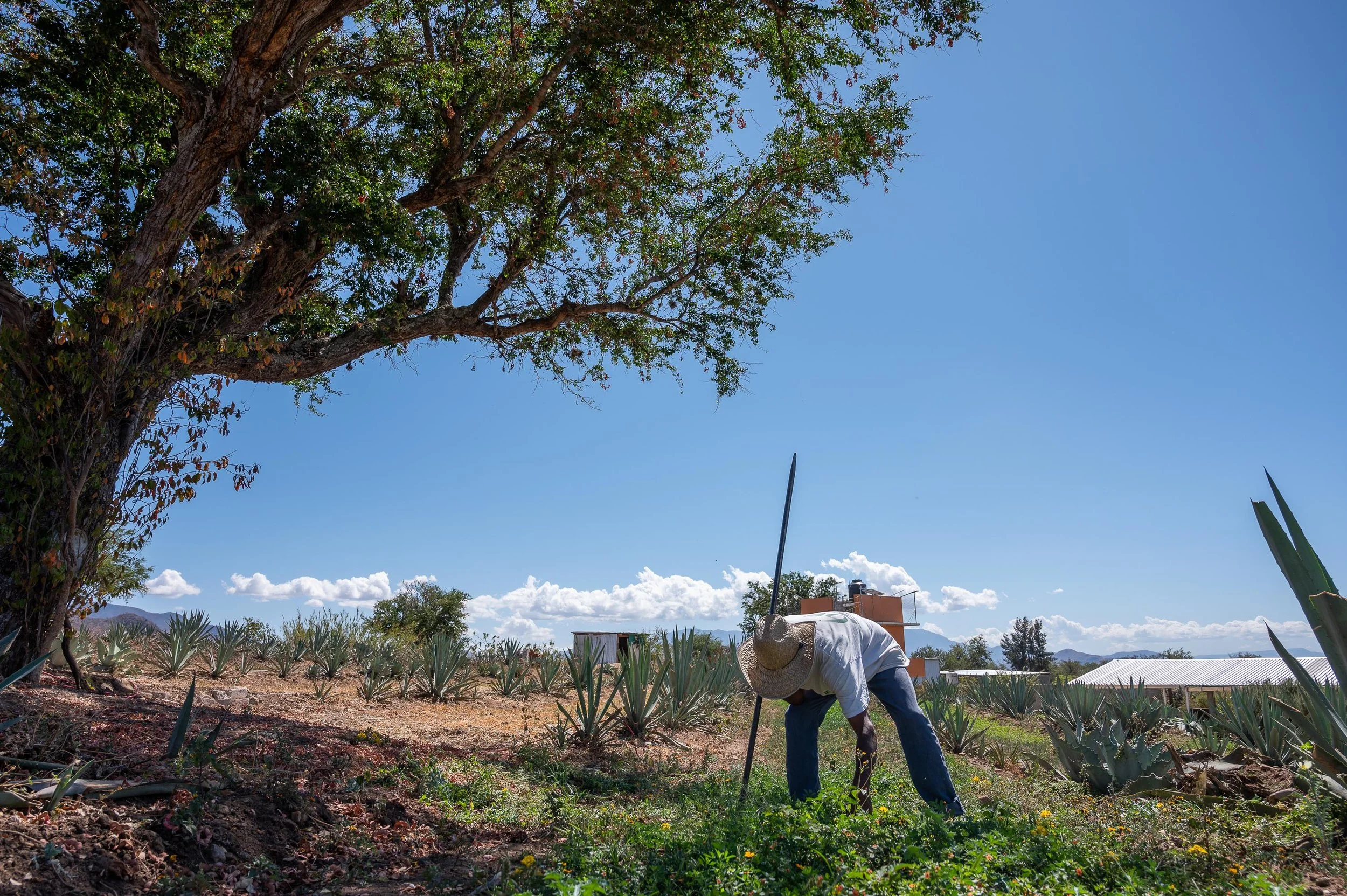
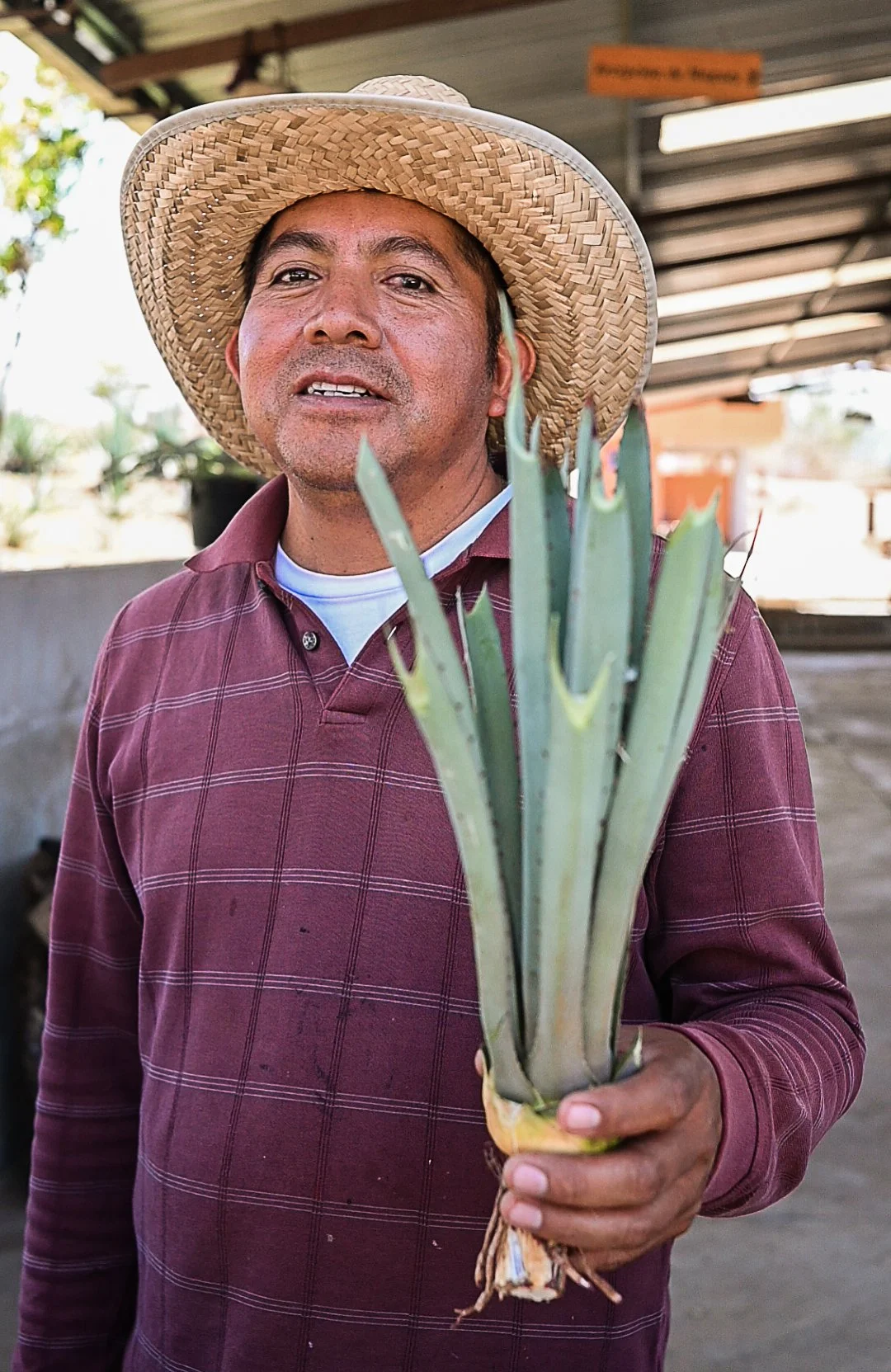
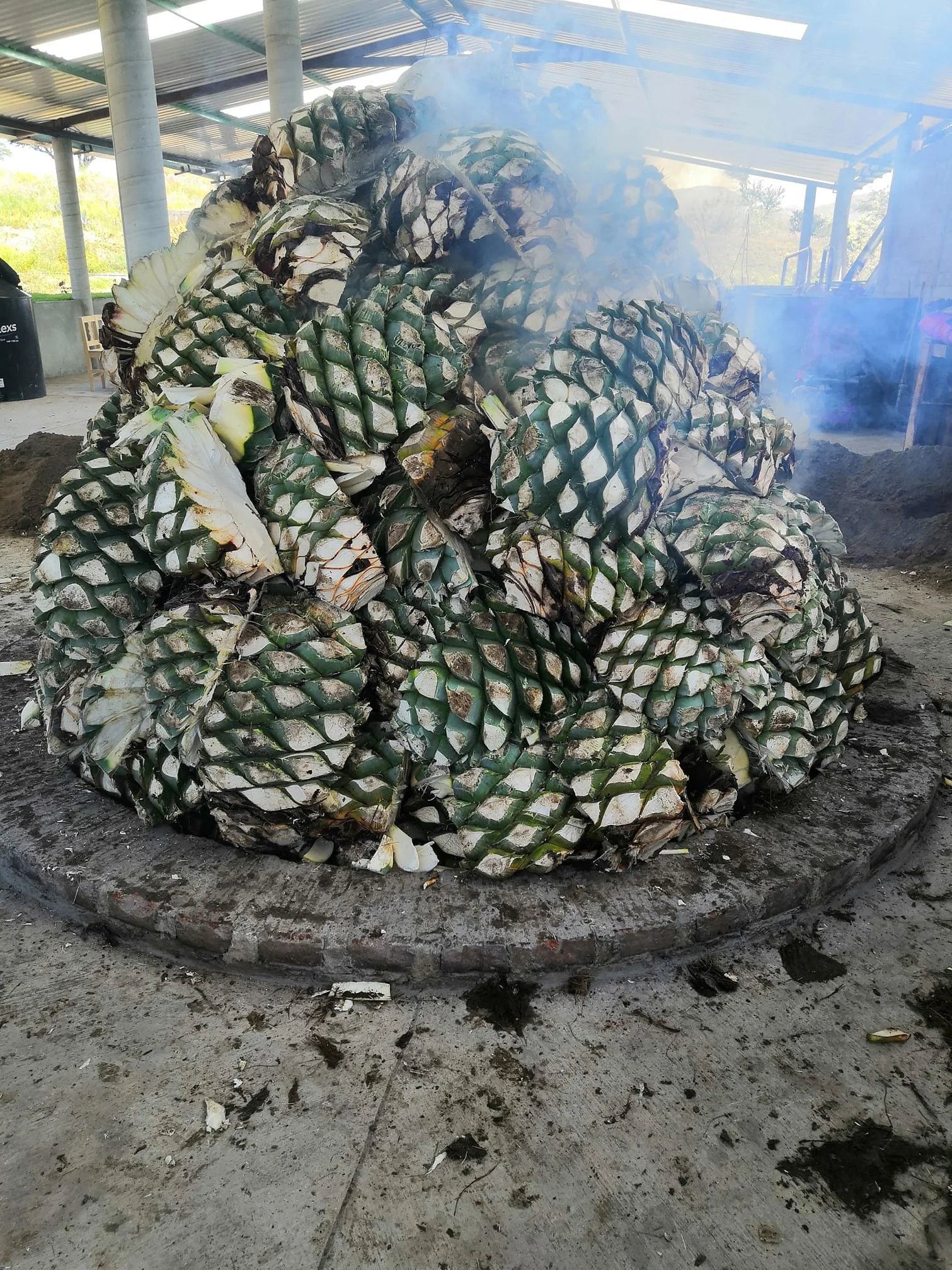
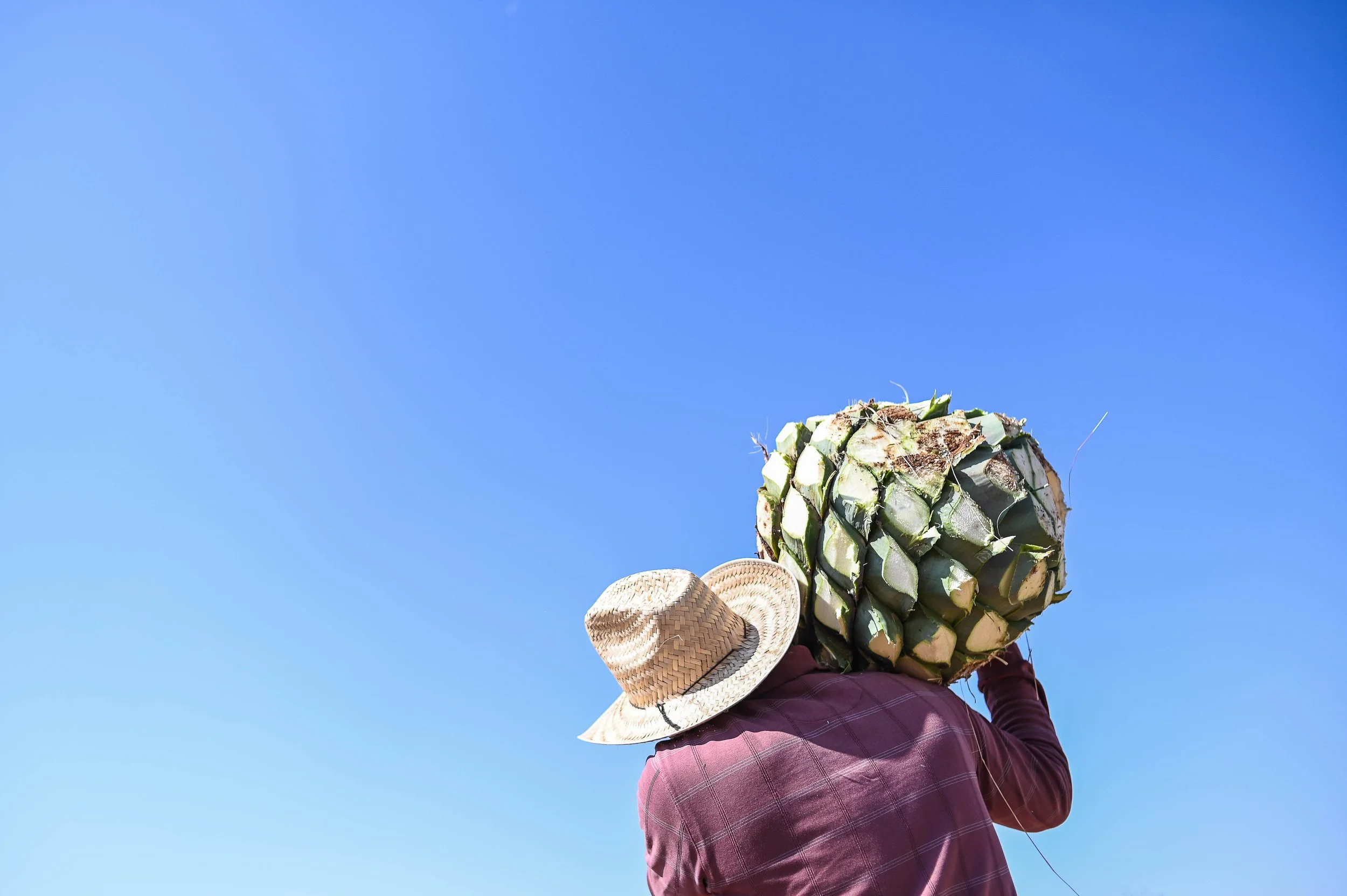
A producer owner mezcal, each variant of Tileño Mezcal is a single agave expression, which allows the character of each agave species to shine through. Tileño utilizes cultivated Espadin and wild harvested agaves for the other variants found in the hills surrounding the palenque in San Martin Tilcajete and we go through painstaking efforts to source our agave using practices that allow for sustainability of the species.
Producer Owned
Our Maestro Mezcalero is the brand owner and distiller.
Rich Tradition
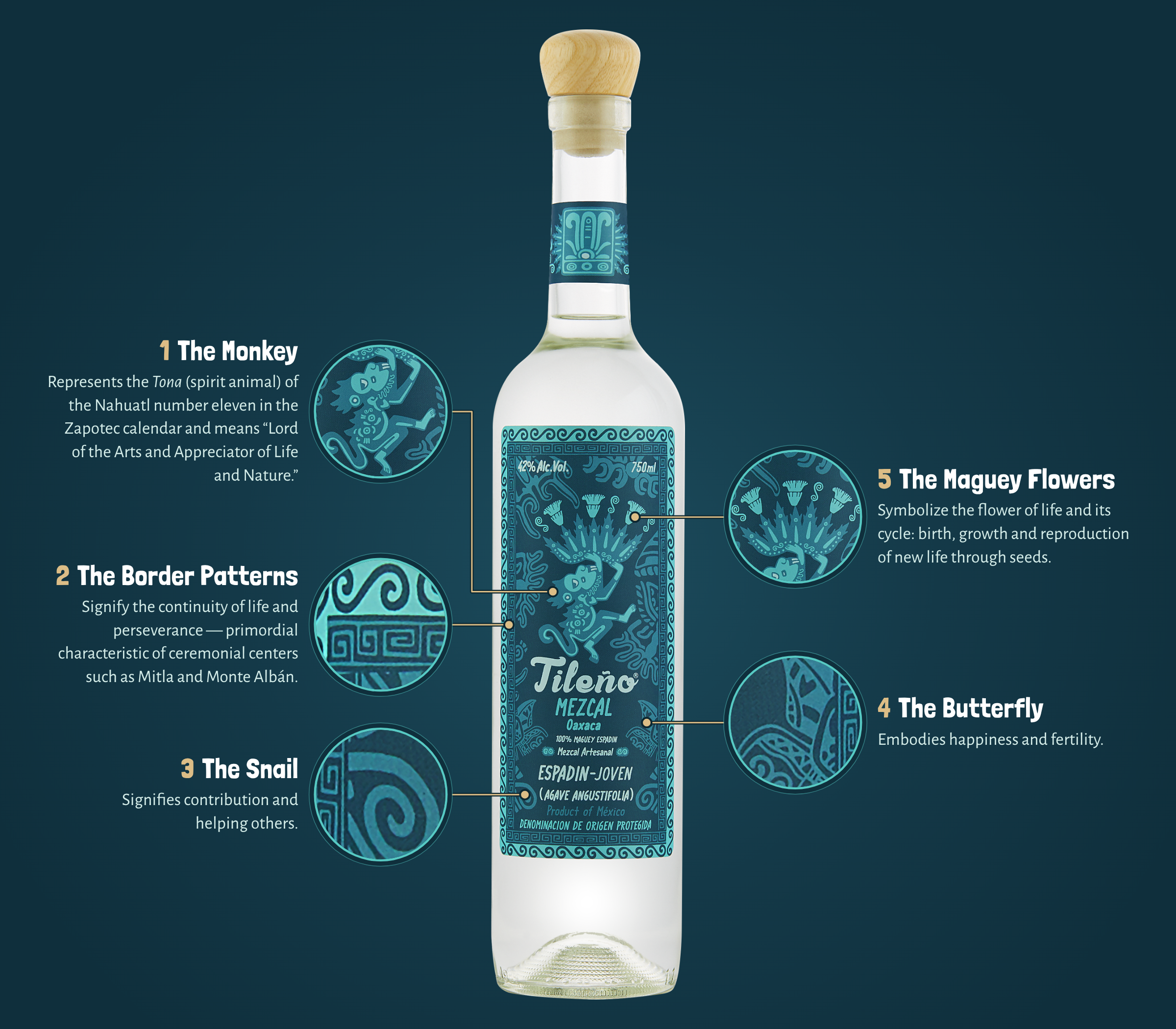
Nuances and symbols that feature a community faithful to its culture.
Sustainability
Painstaking effort goes into sourcing agaves responsibly for ongoing supply.
Quality
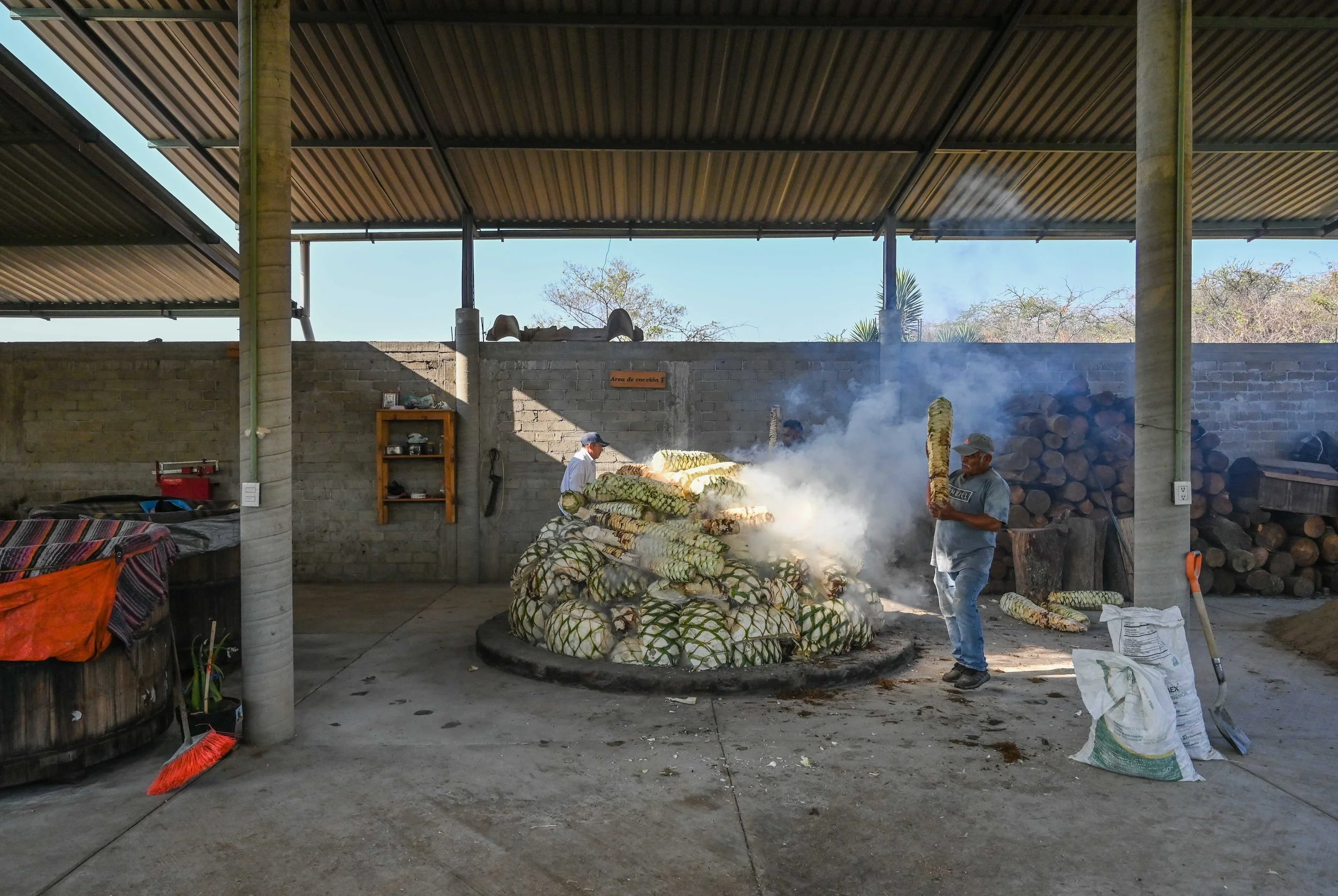
Experience drives everything from roasting, crushing, fermentation and distillation.
Artful Design
The label was hand drawn by José and each element is reflective of Zapotec culture.
Variety
Espadin, Tobala and Tepeztate are available in the United States.
Explore Our Mezcal Variants
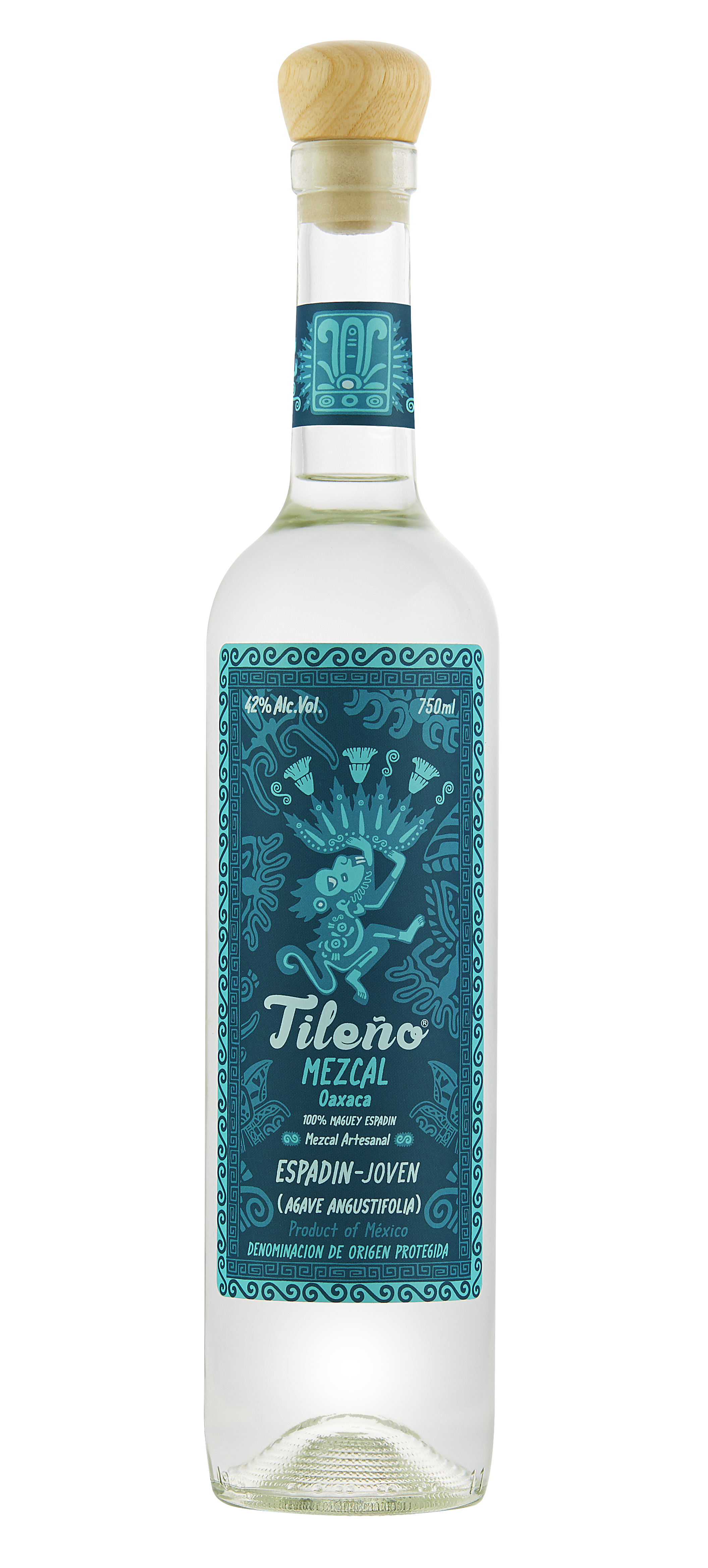
Espadin
Agave Source: Cultivated
Scientific Name: Agave Angustifolia
Agave Age: 6-8 years
Proof: 84 proof (42% ABV)
Flavor Profile: Delicate smoke, green apple, grass, pepper and spices.
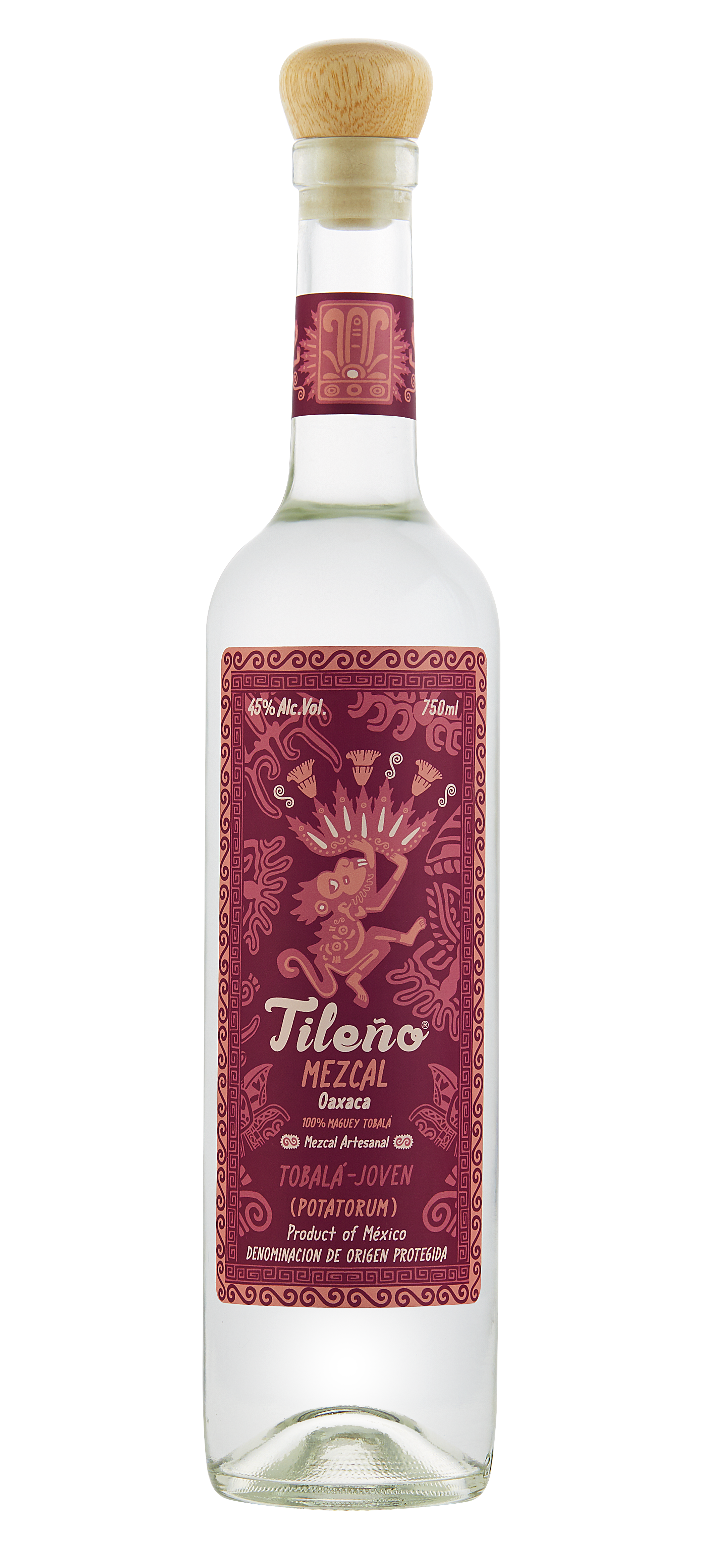
Tobala
Agave Source: Wild
Scientific Name: Agave Potatorum
Agave Age: 12-16 years
Proof: 90 proof (45% ABV)
Flavor Profile: Light, sweet, floral, with hearty notes of smoke and sweet citrus.
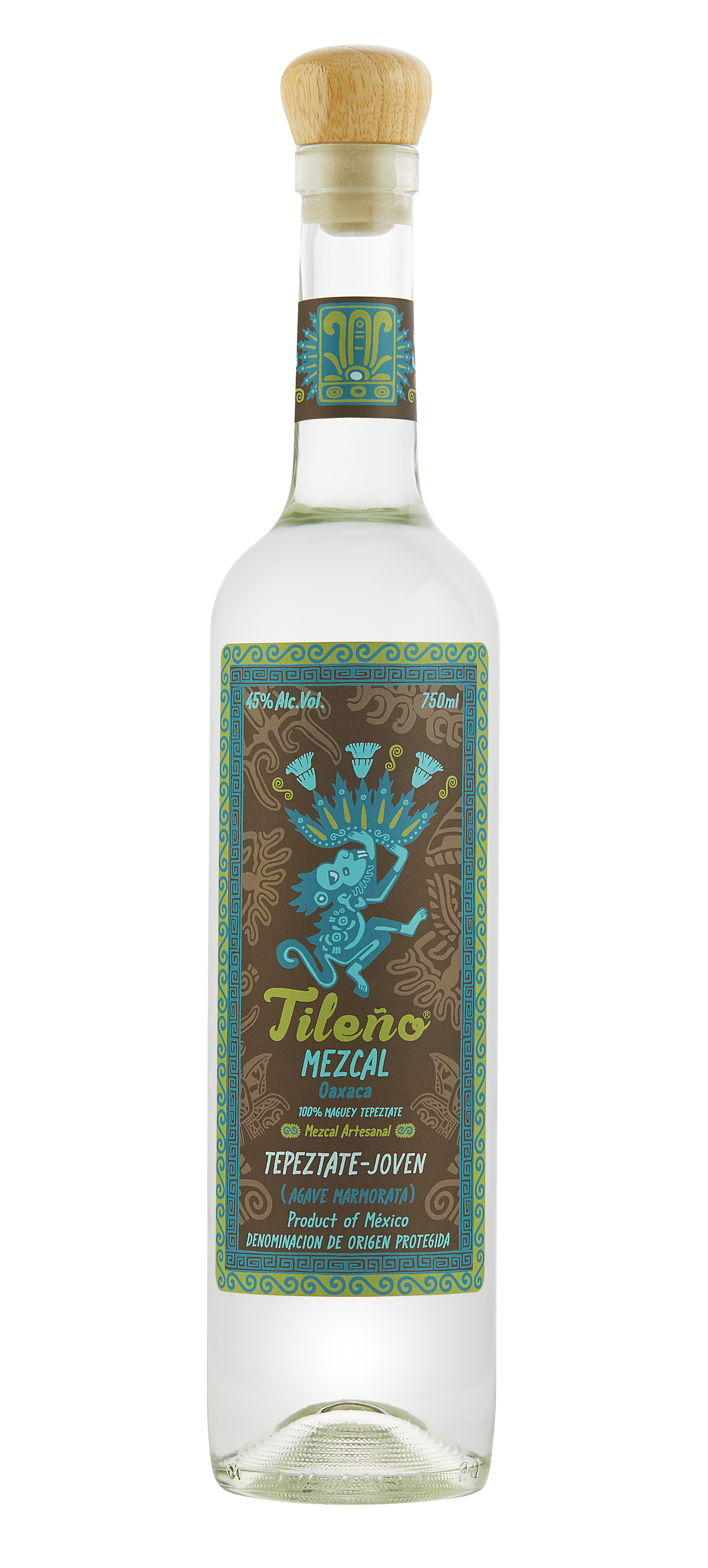
Tepeztate
Agave Source: Wild
Scientific Name: Agave Marmorata
Agave Age: 25 years
Proof: 90 proof (45% ABV)
Flavor Profile: Sweet and spicy pepper, slight vegetal notes, hearty smoke and earthiness.
A Label with a Story
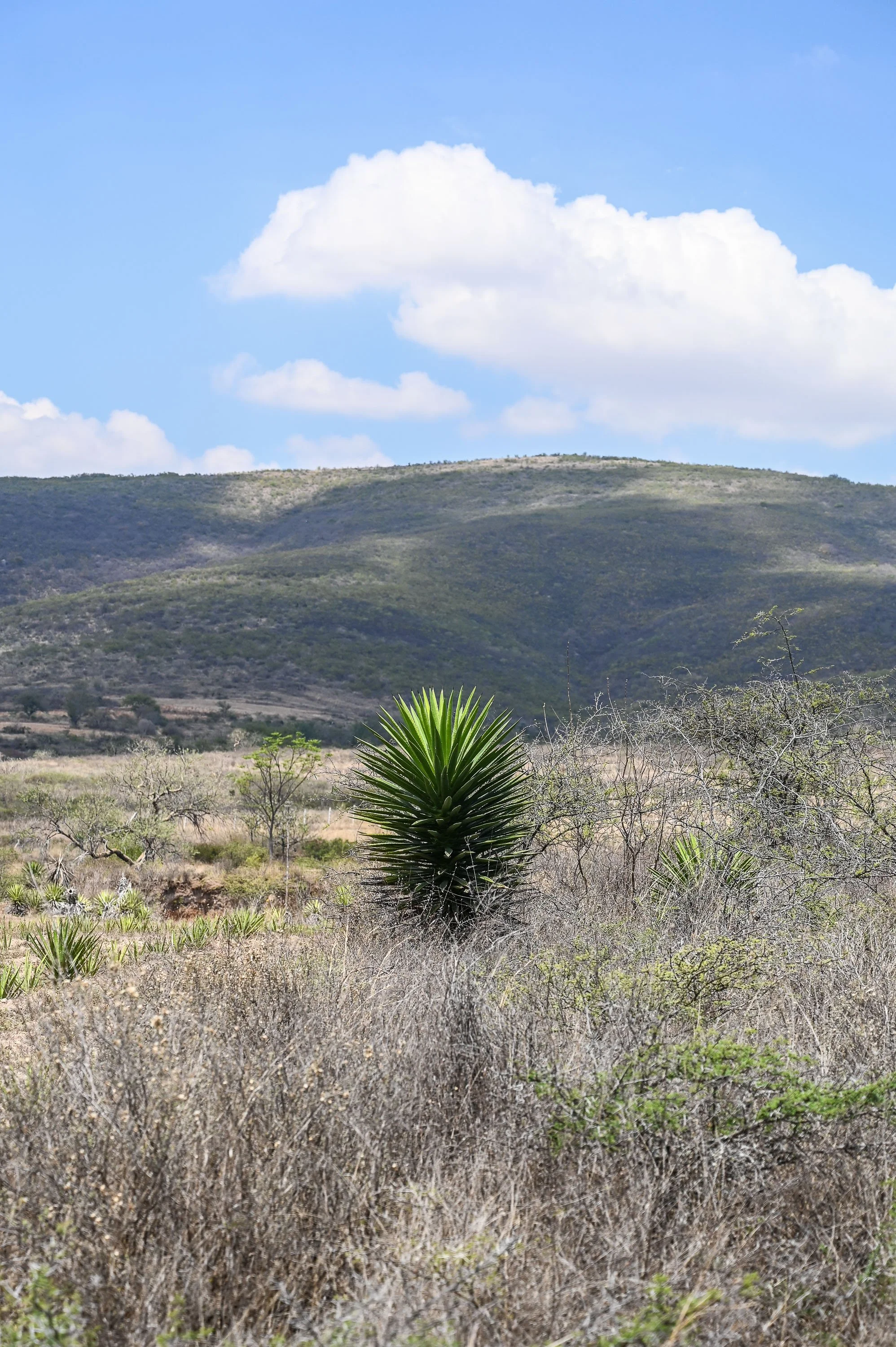
San Martín Tilcajete
A Zapotec community’s history, color, and craft, carried in every glass of Tileño.

San Martín Tilcajete: 3,000 Years of Zapotec Tradition in Oaxaca’s Central Valleys
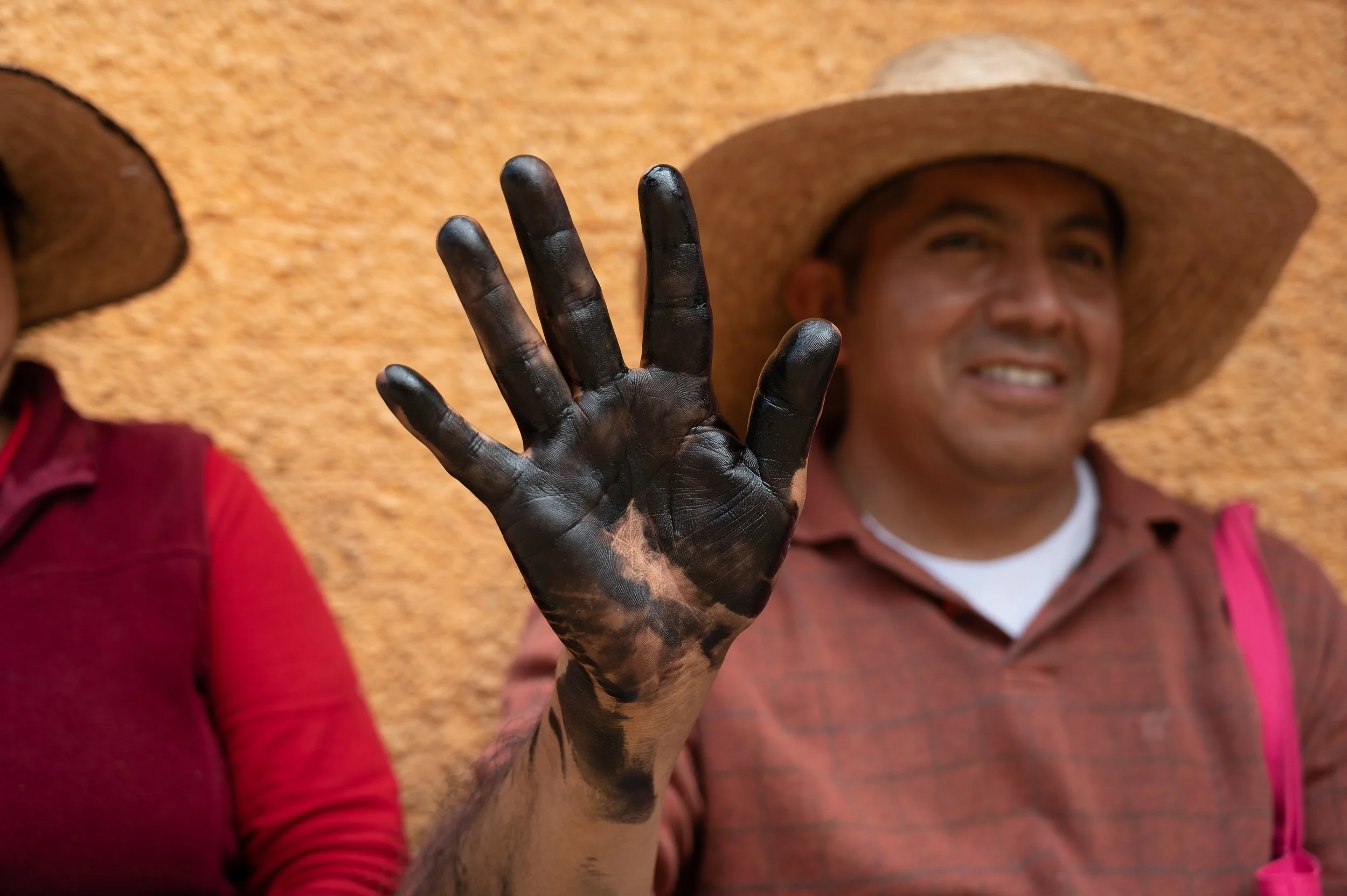
San Martín Tilcajete lies about 14 miles from Oaxaca City, in the Central Valleys of Oaxaca, Mexico. People have lived here for more than 3,000 years. The name comes from the Nahuatl Tilcaxitl, translated as either “black earth bowl” or “mountain of cochineal ink,” the second a nod to the dye once made here from the cochineal insect.
Tilcajete has always had an independent streak. Archaeologists credit its ancient Zapotec community with resisting the expansion of Monte Albán, the great power of the Oaxaca Valley, before the area became one of its administrative centers around 100 BCE. That self-reliance endures: the town still governs itself through usos y costumbres, a system of community duty and service rooted in local tradition.
Today, Tilcajete is small and rural, and most residents earn their living through farming and craft. It is known internationally for alebrijes, wood carvings of real and fantastical creatures painted in vivid, intricate patterns. The calendar follows its festivals, from the Feria del Alebrije each April to the eight-day Fiesta Grande that honors Saint Martin each November.
Tileño carries the spirit of this place: patient work, inherited knowledge, and a fierce pride in where it comes from.
Alebrijes: How a Fever Dream Became the Signature Craft of San Martín Tilcajete
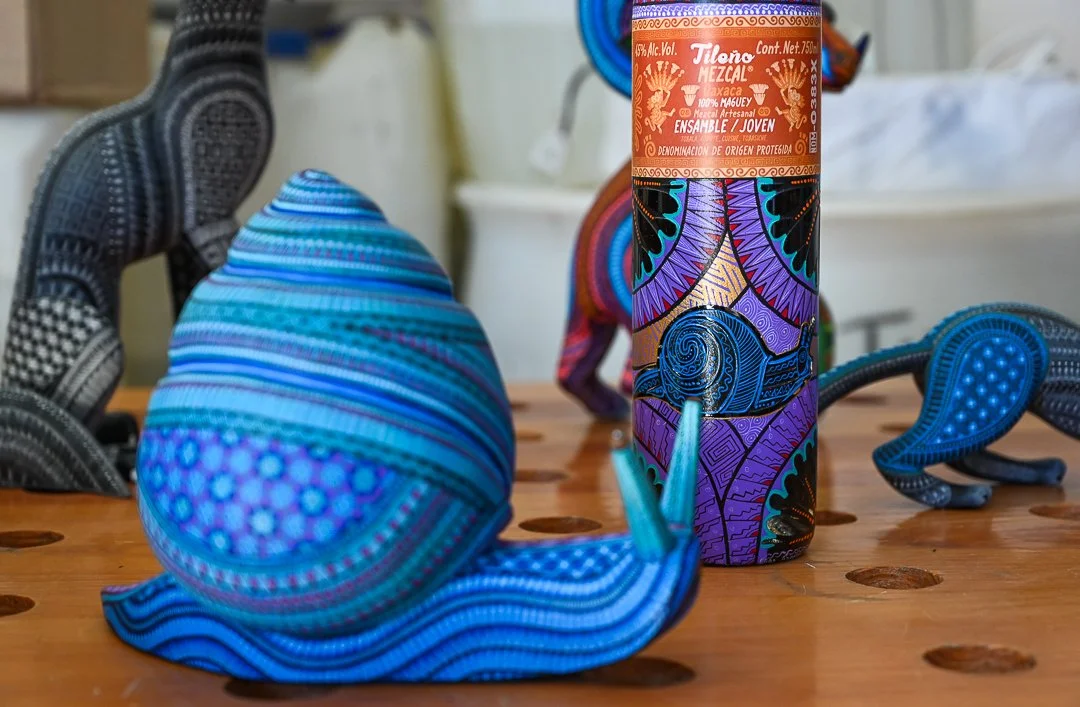
Alebrijes are brightly painted wood carvings of real and fantastical creatures, and they are the defining craft of San Martín Tilcajete, Oaxaca.
Their story joins two traditions. Zapotec artisans carved animals for centuries as totems and hunting decoys, and later, from copal wood, as children’s toys. The fantastical forms and the name came from Pedro Linares, a Mexico City artisan who, according to his family, envisioned the creatures during a fever in the 1930s. Oaxacan carvers adapted his designs to copal, and the name followed.
Each piece begins with a branch from the copal tree, and its natural shape often decides what the figure becomes. Carvers rough out the form with a machete, refine it with smaller knives, and let it dry for up to ten months before it is painted.
When demand surged in the 1980s, workshops spread through town, allowing more families to stay in Tilcajete rather than leave for work. Its best-known carver, Jacobo Ángeles, has shown his work at the Smithsonian and Chicago’s National Museum of Mexican Art. He uses only naturally derived paints, made from sources such as plants, clay, and insects, and draws his designs from Zapotec tradition.
Like a great mezcal, an alebrije takes time, skilled hands, and a plant from the surrounding land.
Black Earth, Patient Hands: What You Taste in Every Glass of Tileño
Tileños are the people of San Martín Tilcajete, a Zapotec community named for its patron saint, San Martín Obispo. Tilcajete means “place of dyes,” for the local custom of making color from natural elements.
Tileño mezcal was born to preserve, through a drink, the history and traditions of this community. They are full of nuance and symbolism, and in them you can find every trait of a people faithful to their culture.
It begins in the earth. Before a bottle is ever filled, our agave spends years in Oaxacan soil, taking on the sun, the dry air, and the character of the land around it. Espadín, Tobalá, and Tepextate each express that land in their own way, and we let them.
In Tilcajete, carvers shape copal branches into alebrijes. They let the wood’s natural form guide the figure, paint each line by hand, and wait months for a piece to be ready. Nobody here thinks of that as slow. It is simply what it takes to make something right.
Jose brings that same standard to our mezcal. He knows this land and its people, and he treats every detail as if it matters, because here, it does.
So when you pour a glass of Tileño, all of it comes with you: the earth, the years in the field, the care in every step, and the pride of a community that has made things by hand for generations.
Made with the heart.